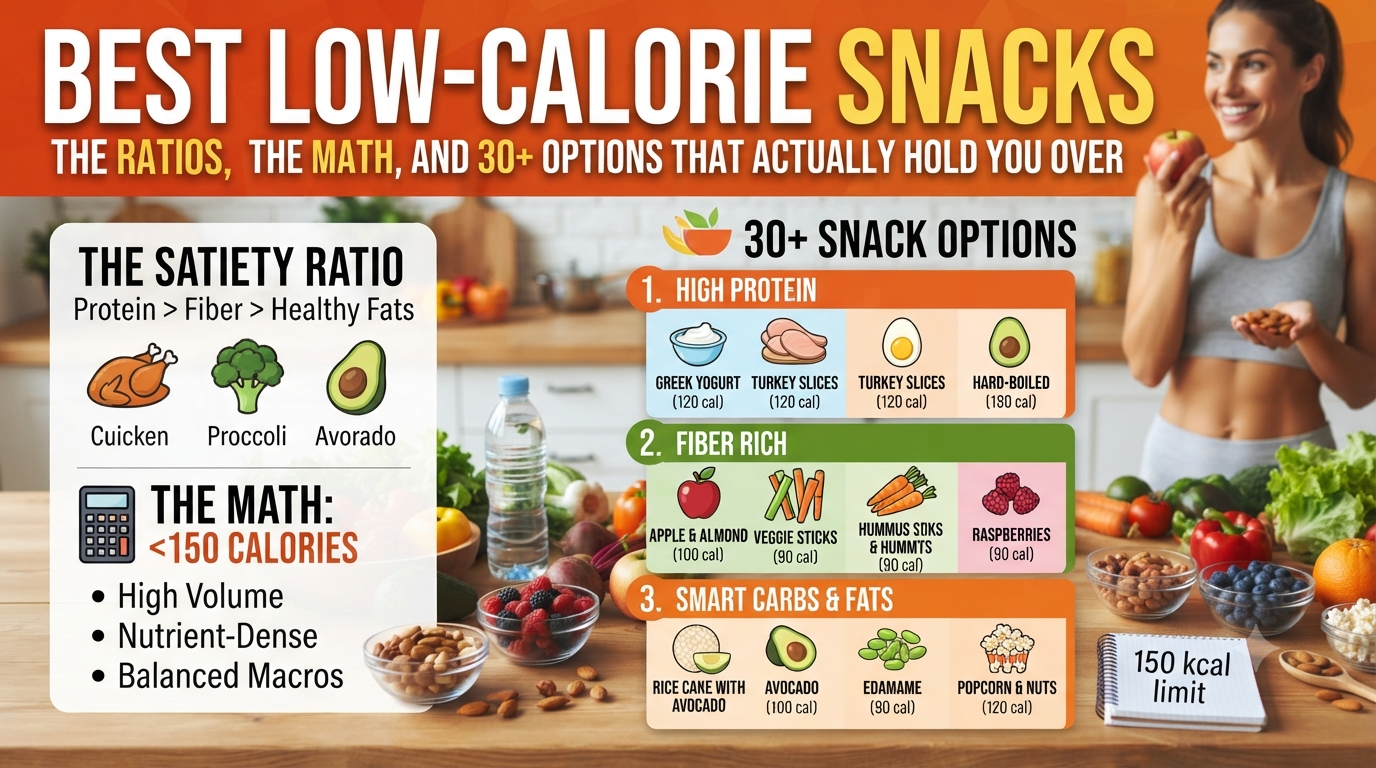
Most “low calorie snack” lists solve the wrong problem. They hand you fifty ideas under 200 calories and stop there, without answering the question that actually determines whether a snack works: does it keep you full for the next three hours, or are you back in the pantry by 4:15? The difference usually isn’t the calorie count. It’s the protein-to-calorie ratio, the fiber, and how much physical volume the food takes up in your stomach.
This guide ranks snacks by that ratio, shows the actual math behind fitting snacks into a calorie deficit, and includes a worked example using real numbers — not just a list to scroll past.
Table of Contents
Why “Low Calorie” Alone Is the Wrong Filter
A 100-calorie snack pack of crackers and a hard-boiled egg both cost you the same 100 calories. They do not cost you the same hunger. A 2014 study published in the peer-reviewed journal Nutrition Journal gave healthy women three different 160-calorie afternoon snacks — a high-protein yogurt, high-fat crackers, and high-fat chocolate — and tracked how long it took before they wanted to eat again. The purpose of the study was to determine whether a high-protein afternoon yogurt snack improves appetite control and satiety compared to other commonly-consumed, high-fat snacks of the same calorie level. The protein snack delayed the next eating occasion by roughly half an hour compared to chocolate, and the group that ate it consumed noticeably fewer calories at dinner. The takeaway isn’t “eat more protein and ignore everything else.” It’s that the calorie number on the label tells you the cost, not the value. The ratio of protein (and fiber) to calories is what tells you whether a snack is actually going to do its job.
How Snacks Fit Into Your Actual Calorie Budget
Before picking snacks, you need a number to build around. If you don’t already know your daily calorie target, run your stats through the free daily diet calculator — it uses the Mifflin-St Jeor equation to estimate your total daily energy expenditure (TDEE) and then adjusts it for your goal.
Here’s how that plays out for a real, if hypothetical, person:
| Item | Detail |
|---|---|
| Estimated TDEE | 2,200 calories/day |
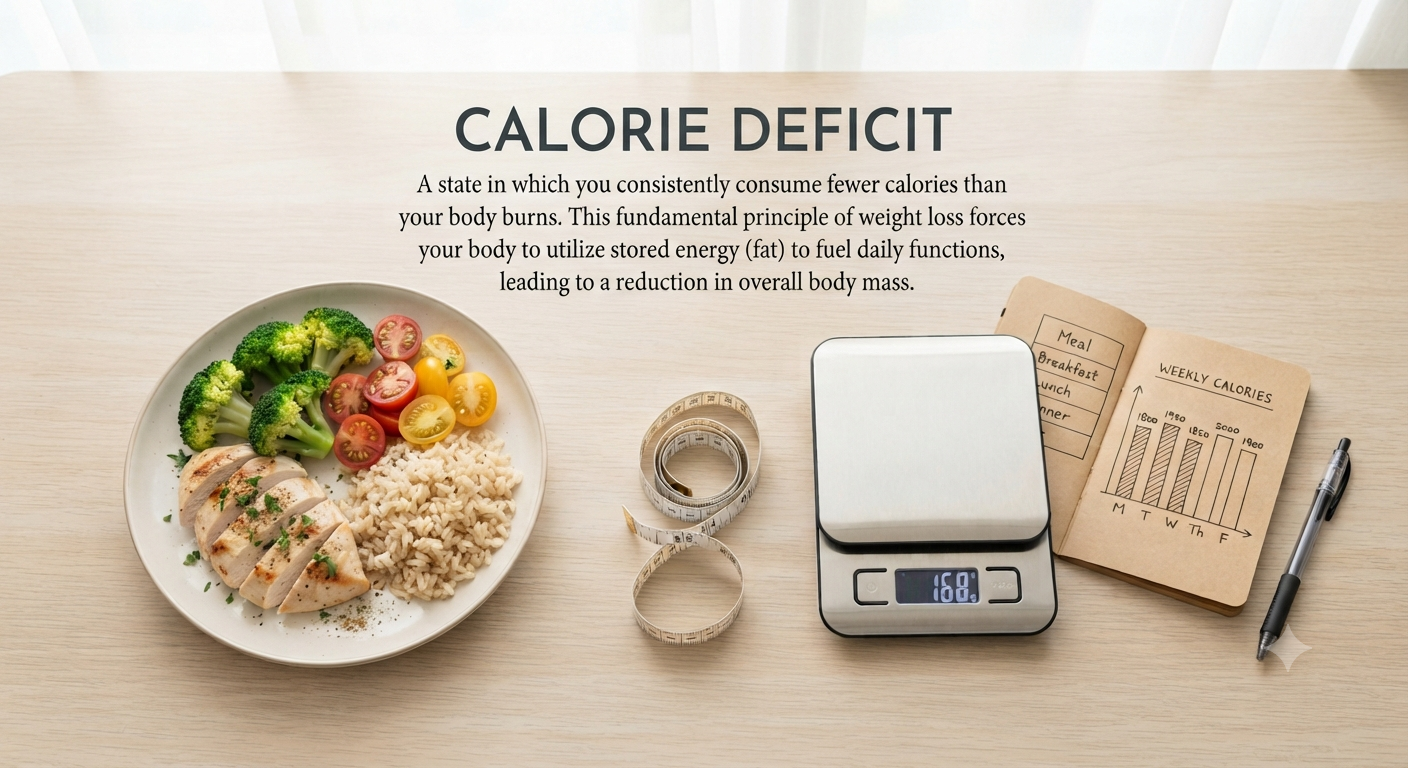
| Goal | Fat loss — 500 calorie daily deficit |
| Daily calorie target | 1,700 calories |
| Three main meals (≈450 cal each) | 1,350 calories |
| Remaining budget for snacks | 350 calories, split across two snacks (~175 each) |
That 175-calorie ceiling per snack is the number to shop and cook against. It rules out anything that quietly runs 300–400 calories (a large flavored latte, a “healthy” granola bar with nut butter and chocolate chips) without you ever intending to eat that much. If your own numbers look different, the TDEE calculator breaks down every step of that math, and the calorie deficit guide covers how aggressive a deficit should reasonably be.
The Best Low-Calorie Snacks, Ranked by Protein-to-Calorie Ratio
Below, snacks are grouped by category and, where relevant, ranked by grams of protein per 100 calories — a more useful number than protein grams alone, since it tells you how much “food work” you’re getting for the calories spent.
Protein-Forward Snacks (Best Ratio)
| Snack | Typical Serving | Calories | Protein | Protein per 100 cal |
|---|---|---|---|---|
| Egg whites (cooked) | 3 large | ~52 | 11g | ~21g |
| Nonfat Greek yogurt, plain | 170g (about ⅔ cup) | ~100 | 17g | ~17g |
| White fish (cod, tilapia, haddock) | 3 oz cooked | ~80 | 18g | ~22g |
| Low-fat cottage cheese | ½ cup | ~90 | 15g | ~17g |
| Hard-boiled egg | 1 large | ~70 | 6g | ~9g |
| Edamame, in pod | ½ cup shelled | ~100 | 9g | ~9g |
For a bigger version of this list broken out by food category — including plant-based options and breakfast-specific picks — see the full high-protein, low-calorie foods list, which sources every figure from USDA data.
High-Volume, Low-Calorie Snacks
These won’t win on protein, but they win on something equally important for hunger: physical volume. A large plate of food signals fullness to your brain differently than a small, calorie-dense one, even at the same calorie count.
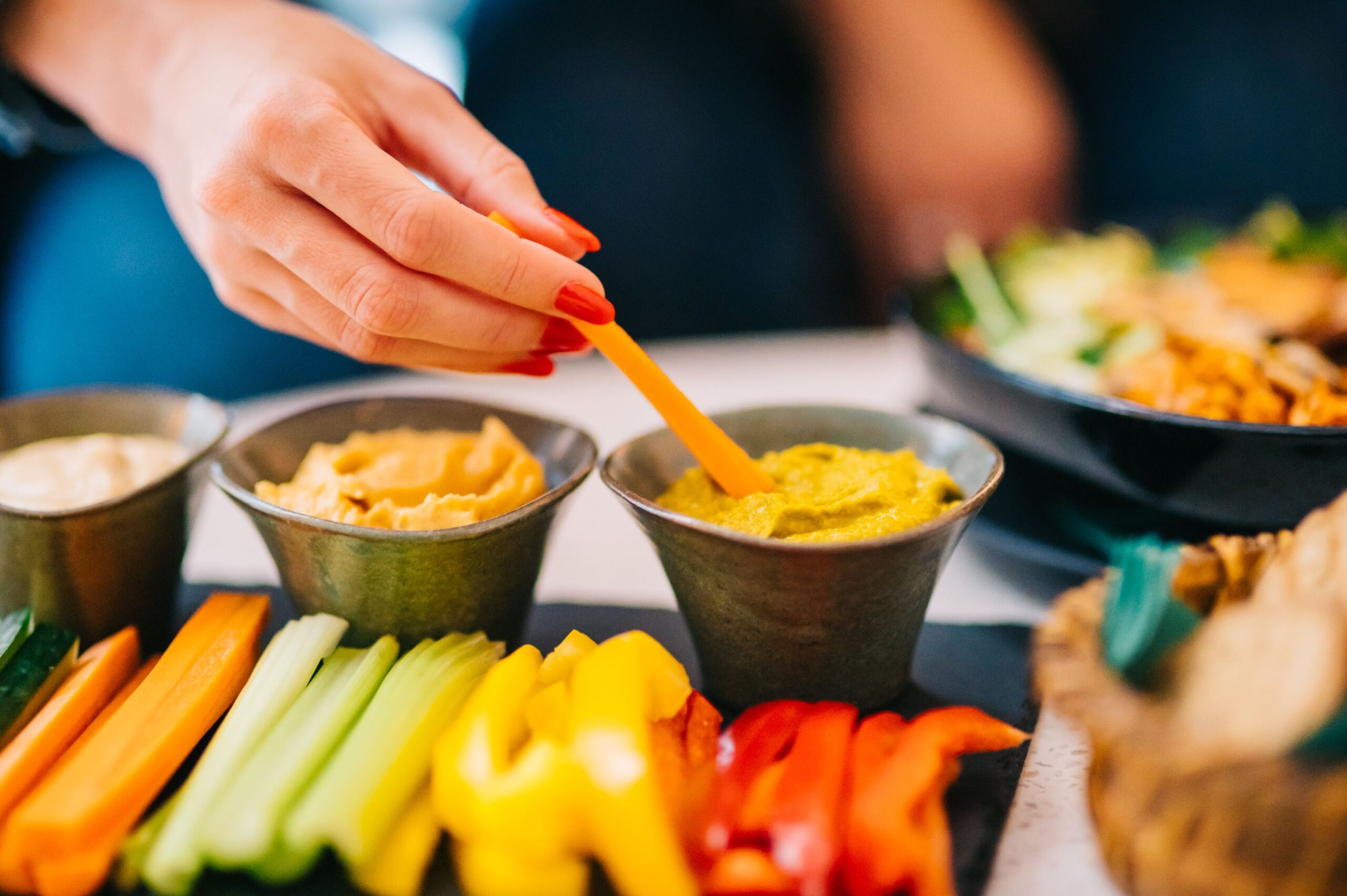
- Raw vegetables with hummus: 1 cup carrots, cucumber, or bell peppers with 2 tablespoons hummus runs about 120–140 calories.
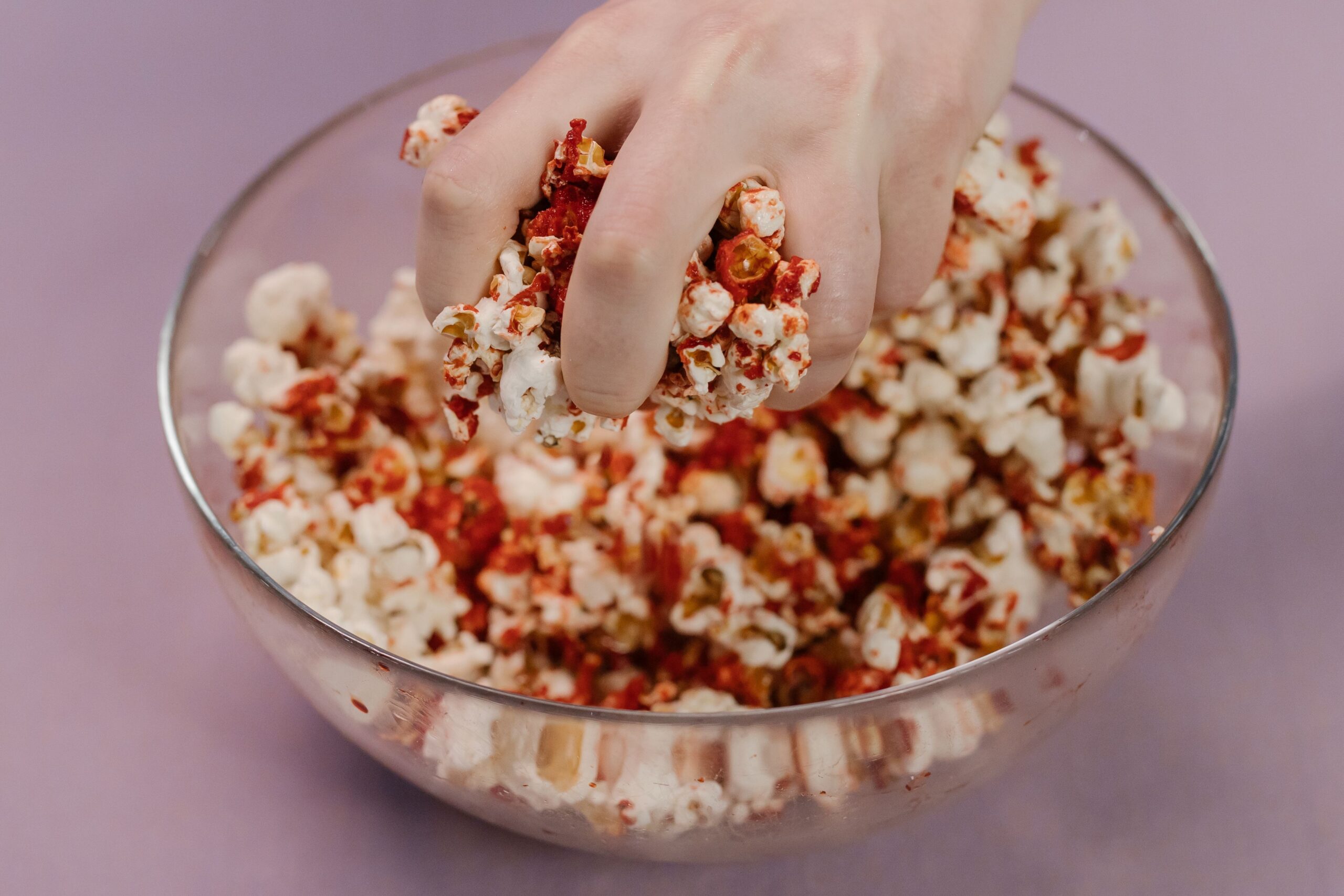
- Air-popped popcorn: 3 cups plain, air-popped is roughly 90–100 calories — one of the highest-volume snacks available for the calorie cost.
- Cucumber and tomato salad with a splash of vinegar: under 60 calories for a full bowl.
- Berries: 1 cup of strawberries or raspberries is under 65 calories and adds real fiber.
Sweet, Without the Sugar Crash
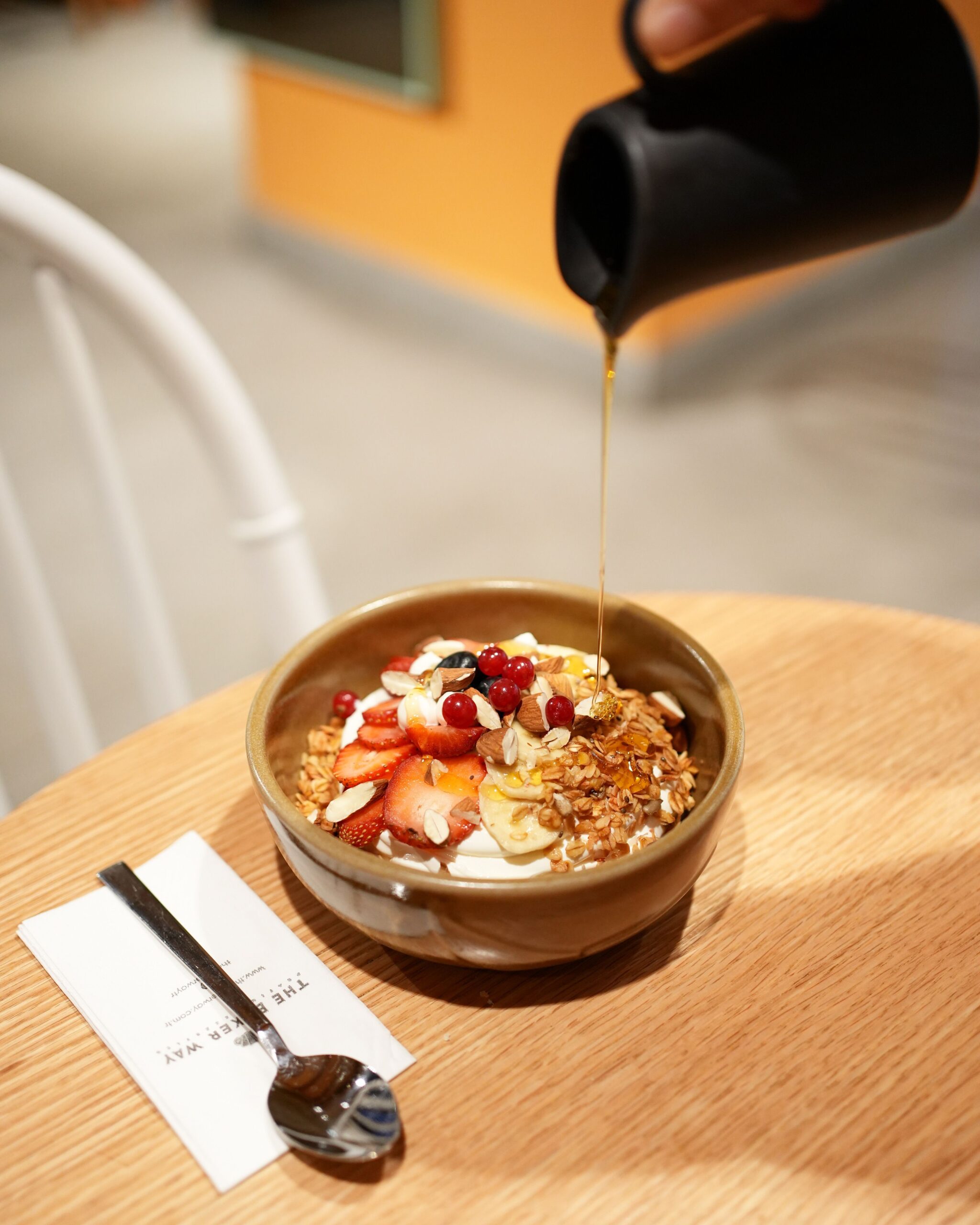
- Greek yogurt with berries: combines protein with natural sugar and fiber, which blunts the blood-sugar spike a straight sugary snack would cause.
- Apple slices with 1 teaspoon peanut butter: around 110 calories, with enough fat and fiber to slow digestion.
- Frozen grapes: a genuinely satisfying, slow-eating substitute for candy at under 60 calories per cup.
Worked Example: A Full Day of Snacking Inside 1,700 Calories
Using the 1,700-calorie target and 175-calorie-per-snack budget from earlier, here’s what a real day could look like:
| Time | Snack | Calories | Protein |
|---|---|---|---|
| 10:30 AM | 170g nonfat Greek yogurt + ½ cup berries | ~140 | 18g |
| 3:30 PM | 1 cup raw vegetables + 2 tbsp hummus | ~135 | 5g |
| Snack total | — | 275 | 23g |
That leaves 1,425 calories for three main meals — plenty of room, while the snacks themselves contribute 23 grams of protein toward the day’s total without derailing the deficit. Log the rest of the day against your target using the free food calorie calculator, which lets you search individual foods and build a running daily total.
Store-Bought vs. Homemade: What Actually Saves Calories
Packaged “diet” snacks aren’t automatically worse, but the marketing on the front of the box is frequently disconnected from the nutrition panel on the back. A few patterns worth knowing:
- Protein bars vary wildly. Some genuinely deliver 15–20g of protein for 150–200 calories; others are candy bars with a protein claim slapped on, running 300+ calories with as much sugar as a dessert. Check grams of sugar per gram of protein, not just the front label.
- “Baked” chips still add up. A baked version usually saves 20–30% of the calories versus fried, but portion creep erases that savings fast — a “serving size” on the bag is often smaller than what people actually pour into a bowl.
- Homemade wins on control, not effort. A batch of roasted chickpeas or a container of pre-portioned veggie sticks takes ten minutes of prep and removes the guesswork entirely, because you know exactly what went in.
- Jerky and meat sticks are a genuinely efficient store-bought option — lean, minimally processed versions can land 70–100 calories with 9–12g of protein per stick.
Portion Cheat Sheet
| Category | Rough Portion for ~150 Calories |
|---|---|
| Nuts (almonds, walnuts) | ~1 oz, or 20–23 almonds |
| Cheese | 1 oz (about the size of two dice) |
| Hummus | ~3 tablespoons |
| Popcorn (air-popped) | 4–5 cups |
| Dried fruit | 2–3 tablespoons (calorie-dense — easy to overeat) |
| Greek yogurt (nonfat) | ~1 cup |
Common Snacking Mistakes That Quietly Add Calories
According to a Mayo Clinic dietitian’s guidance on snacking, keeping snacks under roughly 200 calories and checking in on whether hunger is physical or situational before reaching for food are two of the most reliable habits for avoiding overeating between meals. A few specific traps worth watching:
- Eating straight from the package. Portioning into a bowl first consistently reduces how much people eat, simply because the eyes lose track of quantity when a bag never empties.
- Liquid calories. A flavored coffee drink or a smoothie can easily run 300–400 calories without registering as a “snack” the way solid food does.
- Nut butter portions. Two tablespoons of peanut butter is around 190 calories on its own — easy to double without noticing, since it’s calorie-dense relative to its volume.
- Treating “low fat” as “low calorie.” Low-fat products often replace fat with added sugar to preserve flavor, which can leave the calorie count almost unchanged.
How to Build Your Own Low-Calorie Snack
Rather than memorizing a list, use this formula: pick one lean protein source, pair it with one high-fiber carbohydrate or vegetable, and keep added fats to a measured amount rather than a free pour. That structure — protein plus fiber plus controlled fat — is the same principle behind satisfying meals, just scaled down. It’s also the logic behind recipes like the site’s low-calorie chicken salad, which works equally well portioned smaller as a snack.
According to the Harvard T.H. Chan School of Public Health’s Nutrition Source, protein is one of three essential macronutrients the body uses to build and repair tissue — but source matters, since lean, minimally processed proteins deliver that function at a lower calorie cost than heavily processed ones. All the calorie and protein figures throughout this guide are drawn from USDA FoodData Central, the federal government’s public nutrient database.
Put the Numbers to Work
A list of snacks is only useful once it’s matched to your actual calorie and protein targets. Start with the free daily diet calculator to get your personal numbers, then use the ratios and portions above to fill in the gaps between meals without derailing your progress.
Frequently Asked Questions
What are the best low-calorie snacks for weight loss?
Snacks that combine protein and fiber tend to work best for weight loss, because they slow digestion and delay hunger longer than low-calorie options built mostly from refined carbohydrates. Nonfat Greek yogurt, boiled eggs, raw vegetables with hummus, and edamame are consistently strong choices.
How many calories should a snack have?
For most people following a moderate calorie deficit, 150–200 calories per snack fits comfortably into a daily target without crowding out main meals. The exact number depends on your total calorie budget, which you can calculate with a diet calculator.
What is the healthiest low-calorie snack to buy at the store?
Plain nonfat Greek yogurt, pre-portioned nuts, single-serve hummus cups with vegetables, and lean jerky or meat sticks are among the more reliable store-bought options, since their nutrition panels are straightforward and hard to obscure with added sugar.
Are low-calorie snacks actually good for you?
Not automatically. A snack can be low in calories and still be nutritionally empty if it’s built from refined sugar or starch with little protein or fiber. The calorie count matters less than what’s delivering those calories.
What snack has the most protein for the fewest calories?
Egg whites and lean white fish (cod, tilapia, haddock) tend to offer the best ratio, delivering roughly 18–21 grams of protein for well under 100 calories per typical serving.
This article is for general nutrition information and isn’t a substitute for advice from a doctor or registered dietitian, particularly if you have a medical condition affecting your diet.