Between work deadlines, school runs, and the general chaos of modern life, healthy eating can feel like one more thing on an already overflowing to-do list. The good news is that eating well doesn’t have to mean spending hours in the kitchen or following a complicated diet plan. With a few smart habits — and the right tools, like our free daily calorie and macro calculator — anyone can enjoy nutritious meals even on their busiest days.
This guide breaks down exactly how to eat healthy on a busy schedule, covering everything from balanced diet basics to quick healthy meals that fit real life. Along the way, it also touches on how to eat a balanced diet without turning it into a second job, and how a few small nutrition habits can add up to real healthy nutrition over time.
Table of Contents
Why Nutrition Matters (Even When Life Gets Hectic)
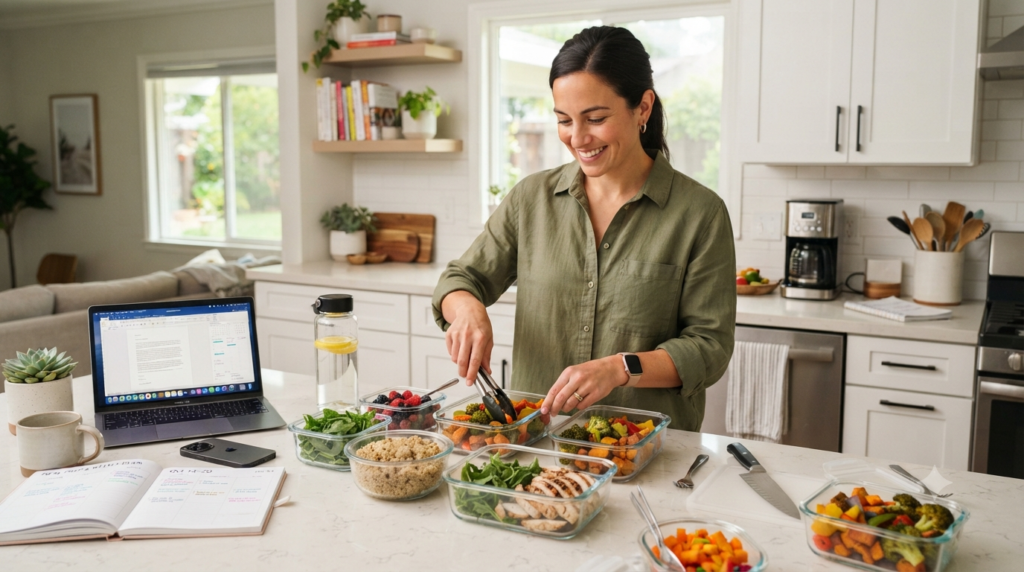
The importance of nutrition goes far beyond fitting into a certain pair of jeans. The benefits of healthy eating touch nearly every part of daily life, from energy levels to mood to long-term wellness. A diet built around whole foods rather than processed foods supports weight management, plays a role in obesity prevention, and contributes to a heart-healthy diet over time, a connection well documented by the American Heart Association. Foods that improve heart health, like fatty fish rich in omega-3 fatty acids, are an easy addition to almost any weekly rotation.
Nutrition also matters for the brain. Growing research, including work summarized by Harvard’s Nutrition Source, points to a strong connection between brain health nutrition and steady energy, focus, and mood throughout the day. In short, disease prevention through nutrition isn’t just a talking point for doctors; it’s something anyone can start working toward with their next meal. If you want to see how your current intake stacks up, our calorie and nutrient calculator is a quick way to check.
What Does a Balanced Diet Actually Look Like?
Think of this section as a quick balanced nutrition guide. A balanced diet comes down to getting the right mix of macronutrients and micronutrients. That means enough protein, healthy fats, and complex carbohydrates, along with the vitamins, minerals, and antioxidants found in colorful fruits and vegetables.
Picture a balanced plate: roughly half filled with non-starchy vegetables and leafy greens, a quarter with lean protein or protein-rich foods, and a quarter with whole grains or another source of dietary fiber, following the plate model laid out by USDA MyPlate. Healthy fats, like those from olive oil or fatty fish, round things out and support satiety, keeping hunger at bay for longer. When people ask what the best foods for a balanced diet actually are, the answer usually comes back to this same short list: vegetables, quality protein, whole grains, and good healthy cooking oils.
Eating patterns like the Mediterranean diet and the DASH diet are popular examples of how these principles come together in practice, and both are frequently referenced in the Dietary Guidelines for their role in supporting calorie balance, metabolism, and blood sugar balance. Choosing nutrient-dense foods over empty-calorie options is one of the simplest ways to get more out of every meal. Not sure how many calories or grams of protein you actually need? Our macro calculator can map that out based on your goals.
Building Healthy Eating Habits That Stick
Lasting change comes down to small, repeatable healthy eating habits rather than dramatic overhauls. Learning how to build healthy eating habits often starts with mindful eating: slowing down, paying attention to hunger cues, and practicing portion control instead of eating on autopilot.
Mindful nutrition and mindful eating techniques can be as simple as putting the phone away during meals or taking a moment before seconds. None of this needs to be complicated; sustainable healthy eating is really just a series of small, repeatable choices. Over time, these small shifts add up to sustainable eating habits and a genuinely healthy lifestyle, not just a short-term fix. Simple healthy food swaps, like trading soda for sparkling water or white bread for whole grain, and a habit of checking food labels (guidance from the FDA on reading labels is a good primer), make the process even easier.
Nutrition Tips for Busy People
Nutrition for busy people doesn’t need to be complicated. The goal isn’t perfection; it’s building nutrition strategies for busy lifestyles that can survive a hectic week. Eating healthy with a busy schedule usually comes down to a handful of easy nutrition tips repeated consistently.
For anyone just starting out, healthy eating tips for beginners often include keeping a few go-to meals on rotation, prepping ingredients in advance, and focusing on time-saving cooking methods that don’t sacrifice flavor or nutrition. These same habits double as practical nutrition tips for weight management, since consistency tends to matter more than any single “perfect” meal — something our weight management calculator can help track over time.
The Power of Meal Planning
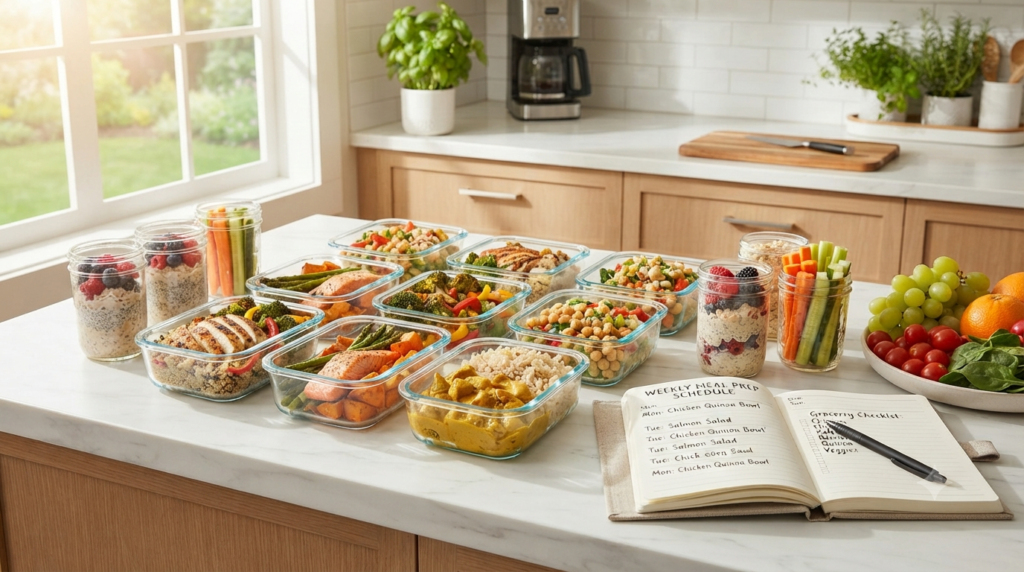
Meal planning is one of the most effective tools for staying on track. Weekly meal planning turns “what’s for dinner?” from a nightly stressor into a solved problem. Learning how to start meal planning can be as simple as picking one day a week to map out meals and build a grocery list around them.
A few simple meal planning tips make a big difference: plan around ingredients that overlap across multiple meals, keep a running list of family favorites, and build in one flexible night for leftovers or takeout. Sustainable meal planning tips also include thinking about meal planning for families, since coordinating different tastes and schedules is often the biggest hurdle. Easy healthy meals for busy families tend to share a few things in common: short ingredient lists, one-pan cleanup, and recipes flexible enough to please picky eaters. A solid nutrition planning routine, paired with a healthy grocery shopping guide or a healthy grocery shopping checklist, keeps grocery runs quick and stress-free, and helps make family meals feel manageable rather than overwhelming.
Healthy Meal Prep for Beginners
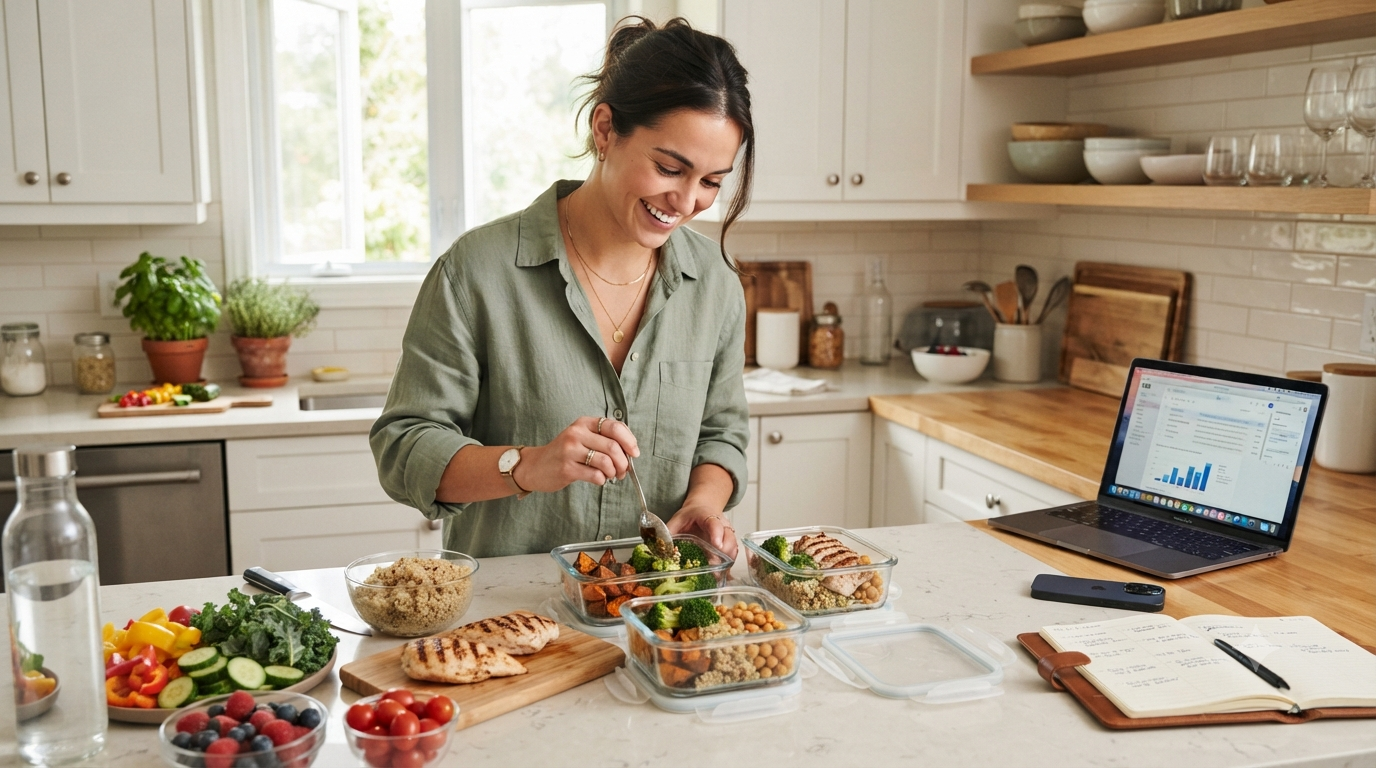
Healthy meal prep for beginners doesn’t require fancy containers or a Sunday spent entirely in the kitchen. Easy meal prep might mean chopping vegetables ahead of time, cooking a batch of grains, or portioning out snacks for the week. A dedicated weekend meal prep session, even just an hour, can set the tone for several days of quick healthy meals.
A short list of quick meal prep ideas for the week goes a long way: batch cooking a big pot of soup or chili, roasting a tray of vegetables, or preparing make-ahead meals that can be reheated in minutes. Freezer meals and healthy freezer meal ideas are especially useful for stocking a backup supply of healthy freezer meals for the nights when cooking simply isn’t going to happen.
Healthy Breakfast Ideas
Mornings are often the most rushed part of the day, which makes healthy breakfast ideas especially valuable. Overnight oats are a favorite because they’re made the night before and ready to grab on the way out the door. Egg muffins, baked in a muffin tin and portioned for the week, are another reliable option, as are smoothies blended with fruit, greens, and a source of protein.
For anyone looking for nutritious breakfast ideas beyond the basics, a simple bowl of oats topped with fruit and nuts covers both fiber and healthy fats in one go.
Healthy Lunch Ideas for Work
Healthy lunch ideas for adults often come down to planning ahead so a rushed midday doesn’t end in a vending machine snack. Healthy meals for work can be built around a rotisserie chicken, which stretches across several healthy sandwiches, salads, or grain bowls throughout the week. Quinoa and chickpeas are both easy additions that boost protein and fiber without much extra effort.
Packing healthy snacks for work alongside lunch, like a piece of fruit or a small handful of nuts, helps avoid the mid-afternoon energy dip that leads to less healthy choices later in the day.
Quick and Easy Dinner Recipes
When the day is winding down, a rotation of reliable healthy dinner ideas matters most, and quick healthy dinner recipes are the ones that tend to stick. One-pot meals and one-pot healthy meals cut down on cleanup, while sheet pan meals and sheet pan healthy dinners let an entire dinner, protein, vegetables, and all, roast together on a single tray.
For hands-off cooking, slow cooker recipes and pressure cooker meals are worth having in the rotation, especially on days with little time to spare. Salmon, sweet potatoes, broccoli, and spinach are all reliable staples that come together into easy healthy meals without much planning, and they’re a great foundation for quick dinners, whatever the rest of the week looks like.
Smart Healthy Snacking
Healthy snack ideas can make or break an otherwise solid eating routine. Homemade snacks, like energy bites or roasted chickpeas, tend to be more satisfying than packaged options. Yogurt with berries, a handful of nuts and seeds, or avocado on whole grain toast are all simple ways to keep hunger in check between meals.
Foods That Do the Heavy Lifting
Certain ingredients pull more than their weight nutritionally. Foods high in protein, foods rich in fiber, and foods with healthy fats form the backbone of most balanced meals, while healthy carbohydrate sources like whole grains provide steady energy throughout the day.
Legumes, tofu, and canned beans are budget-friendly staples worth keeping on hand, and canned food nutrition is often underrated. Frozen vegetables hold up well nutritionally compared to fresh, and the ongoing frozen vs fresh vegetables debate usually comes down to convenience rather than a meaningful difference in nutrients, a point echoed by Mayo Clinic. Fresh fruits, along with foods containing probiotics and prebiotics, round out a well-stocked kitchen.
Cooking Smarter, Not Harder
Healthy cooking doesn’t have to mean elaborate techniques. Simple healthy cooking methods, like roasting, steaming, or sautéing with a good cooking oil, preserve nutrients while keeping meals interesting. Olive oil is a reliable go-to for both flavor and healthy fats. A little food preparation on the front end, along with a few healthy kitchen tips like keeping a well-organized pantry, makes weeknight cooking far less stressful.
Don’t Forget to Hydrate
Hydration is easy to overlook in the middle of a busy day, but water intake plays a role in energy, digestion, and even appetite regulation, as outlined by the CDC’s guidance on water and healthier drinks. A few practical hydration tips, like keeping a refillable bottle at a desk or setting reminders, can help build the habit without much extra thought. Curious how much water you personally need? Try our hydration calculator.
Eating Healthy Without Breaking the Bank
Eating healthy on a budget is entirely possible with a bit of planning. Affordable healthy meals often rely on staples like beans, eggs, seasonal produce, and grains rather than pricier specialty items. For anyone wondering how to manage healthy eating without spending hours cooking, batch-cooked, affordable healthy meal ideas built around a handful of pantry staples go a long way.
Making Healthier Choices When Eating Out
Even with the best intentions, eating out happens. Knowing a few go-to healthy restaurant choices, like grilled over fried, or a side salad instead of fries, makes it easier to stay consistent with healthy food choices without giving up the convenience of a night off from cooking.
Putting It All Together: A Balanced Meal Plate Guide
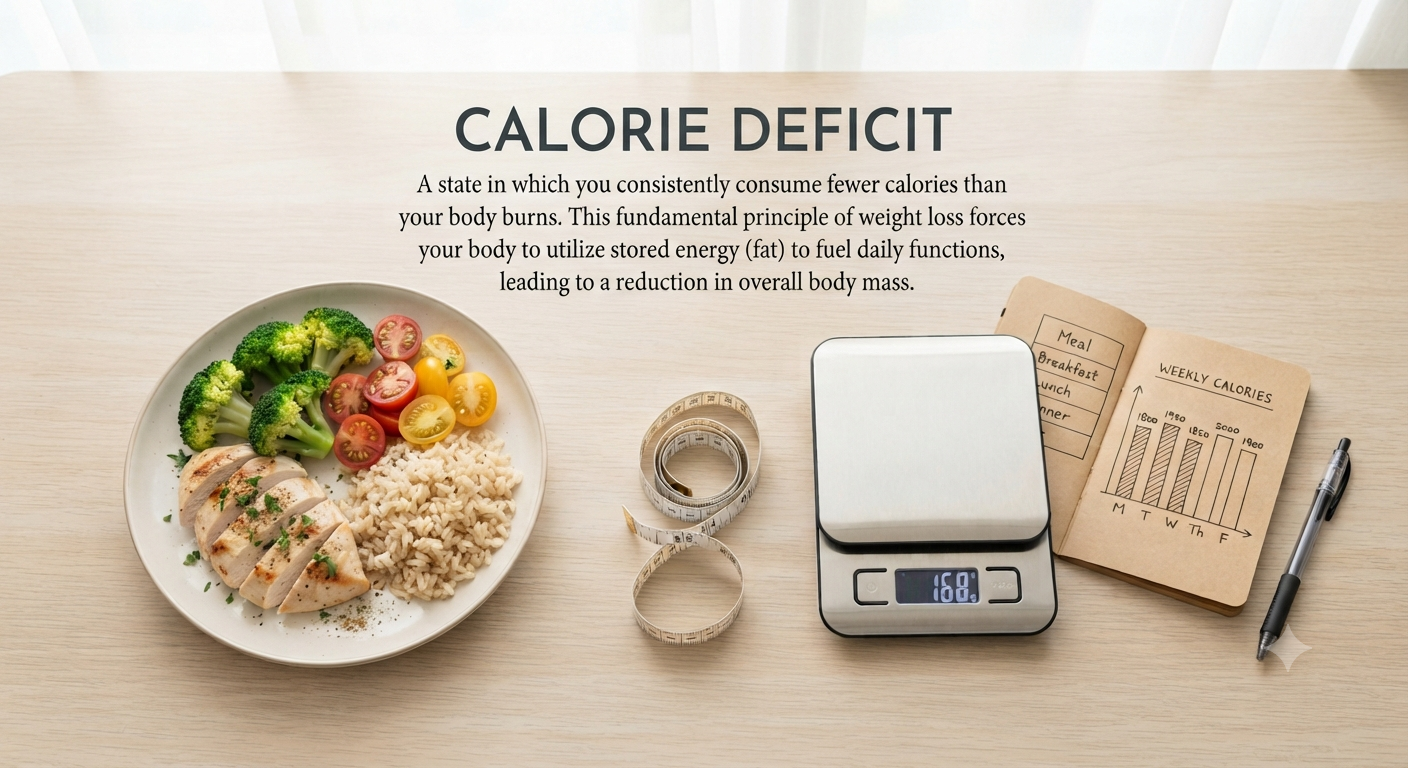
At its core, a balanced meal plate guide comes down to combining protein and fiber meal ideas with color and variety. Thinking in terms of nutrition for long-term health, rather than short-term results, makes it easier to stick with a healthy diet plan over time.
Keeping a small rotation of healthy recipes and simple healthy recipes on hand, alongside a running list of nutritious meals and healthy meal ideas, takes most of the guesswork out of daily eating. None of this requires perfection. It just requires a system that fits real life. If you want a starting point, plug your numbers into our daily diet calculator to get a personalized baseline for calories and macros.
Frequently Asked Questions
How can I eat healthy when I have no time to cook? Lean on strategies that front-load the work: batch cook proteins and grains once a week, keep a rotation of 5-6 go-to meals, and stock the freezer with make-ahead options. Even 30-60 minutes of prep on a weekend can cover several days of quick healthy meals.
What’s the easiest way to start meal planning? Pick one day a week to plan meals around ingredients that overlap (like a protein or vegetable used in two or three recipes), then build a grocery list from that plan. Starting with just dinners, before expanding to breakfast and lunch, keeps it manageable.
How many calories and how much protein do I actually need? This depends on age, activity level, and goals (maintenance, weight loss, or muscle gain), so there’s no single number that fits everyone. A calorie and macro calculator that accounts for your stats is the fastest way to get a personalized estimate, based on established formulas referenced by the USDA Dietary Guidelines.
Are frozen vegetables as healthy as fresh ones? Generally, yes. Frozen produce is typically flash-frozen shortly after harvest, which helps preserve nutrients, and Mayo Clinic notes it can be a nutritionally comparable, budget-friendly, and lower-waste alternative to fresh.
What’s a simple way to build a balanced plate? Fill about half the plate with non-starchy vegetables, a quarter with lean protein, and a quarter with whole grains or another fiber source, then add a small amount of healthy fat. This mirrors the plate model from USDA MyPlate.
How much water should I be drinking each day? Needs vary by body size, activity, and climate, so there’s no one-size-fits-all number. The CDC recommends water as the default choice over sugary drinks; for a personalized estimate, try our hydration calculator.
Can eating healthy be affordable? Yes. Staples like beans, eggs, seasonal produce, frozen vegetables, and whole grains are typically less expensive per serving than specialty or heavily processed foods, and they form the base of most budget-friendly, nutrient-dense meals.
The Bottom Line
Eating well on a busy schedule isn’t about willpower; it’s about building a system that works with a hectic lifestyle instead of against it. A little meal planning, a stocked pantry, and a handful of go-to recipes can turn healthy eating from a source of stress into something that simply happens in the background of a full life. Ready to put a number on your own goals? Head over to dailydietcalculator.online and get a personalized daily target in under a minute.