If you’ve searched for a way to lose fat, control blood sugar, or just feel less controlled by cravings, chances are the keto diet has come up. It’s one of the most talked-about eating patterns in the U.S. right now — and also one of the most misunderstood.
This guide breaks down exactly what the keto diet is, which keto diet foods to eat and avoid, how to build a simple keto diet plan, the real keto diet benefits and keto diet side effects, and how the approach differs for keto diet for men versus keto diet for women. Whether you’re looking for a basic ketogenic diet plan for beginners, a medical ketogenic diet plan, or a free ketogenic diet plan PDF you can print and follow week to week, everything here is grounded in guidance from sources like Harvard Health and the Mayo Clinic, so you can make an informed decision rather than just following internet hype.
Table of Contents
What Is the Keto Diet?
The ketogenic diet is a very low-carbohydrate, high-fat eating plan that pushes your body to burn fat for fuel instead of glucose. When carbohydrate intake drops low enough — typically to somewhere between 20 and 50 grams of net carbs a day — the liver starts converting stored fat into molecules called ketones, which become your body’s primary energy source. This metabolic state is known as ketosis.
A standard keto ratio looks something like 70–80% of calories from fat, 10–20% from protein, and only 5–10% from carbohydrates. Originally developed nearly a century ago as a medical therapy to control epileptic seizures in children, the diet has since been adapted into a mainstream tool for weight loss and metabolic health, according to Harvard’s Nutrition Source. Today it’s used as a well-formulated ketogenic diet plan for everything from general weight management to a targeted medical ketogenic diet plan overseen by a dietitian for conditions like epilepsy, certain cancers, or metabolic disorders.
Before diving into a keto meal plan, it helps to know your own numbers. Use our free Calorie Calculator to find your baseline maintenance calories, then layer your keto macros — fat, protein, and carbs — on top of that target instead of guessing.
Types of Ketogenic Diet Plans
Not every ketogenic diet plan looks the same, and picking the right variation matters more than chasing a single “perfect” version. Here are some of the most common approaches people search for:
- Classic (standard) ketogenic diet plan — the strict 4:1 fat-to-protein-and-carb ratio traditionally used as a ketogenic diet plan for epilepsy in both children and adults, and still followed closely under medical supervision today.
- Cyclical ketogenic diet plan — alternates strict keto days with higher-carb “refeed” days, popular with athletes and people who find a fully strict approach hard to sustain long term.
- Targeted ketogenic diet meal plan — allows small carb intake around workouts, often favored by people who lift weights or do high-intensity training.
- High protein ketogenic diet plan — shifts the ratio toward more protein and less fat, which some people prefer for satiety and muscle preservation during a calorie-restricted ketogenic diet plan.
- MCT ketogenic diet plan — leans on medium-chain triglyceride oil to help the body reach ketosis faster, sometimes used alongside a very low calorie ketogenic diet plan under clinical supervision.
- Vegetarian and vegan ketogenic diet plan — built around eggs, dairy, tofu, nuts, and low-carb vegetables (or entirely plant-based ketogenic diet sources for vegans), since giving up meat doesn’t mean giving up ketosis.
- Paleo ketogenic diet plan — combines keto’s low-carb structure with paleo’s avoidance of dairy, grains, and processed foods.
- Medical ketogenic diet plan for specific conditions — including a ketogenic diet plan for epilepsy, a ketogenic diet plan for diabetes, and an emerging ketogenic diet plan for cancer patients, all of which should be designed with a physician or dietitian rather than self-prescribed.
- Ketogenic diet plan for kids, toddlers, and autism — closely monitored pediatric versions used clinically, distinct from adult weight-loss keto and requiring specialist guidance.
Keto Diet Foods: What to Eat and Avoid
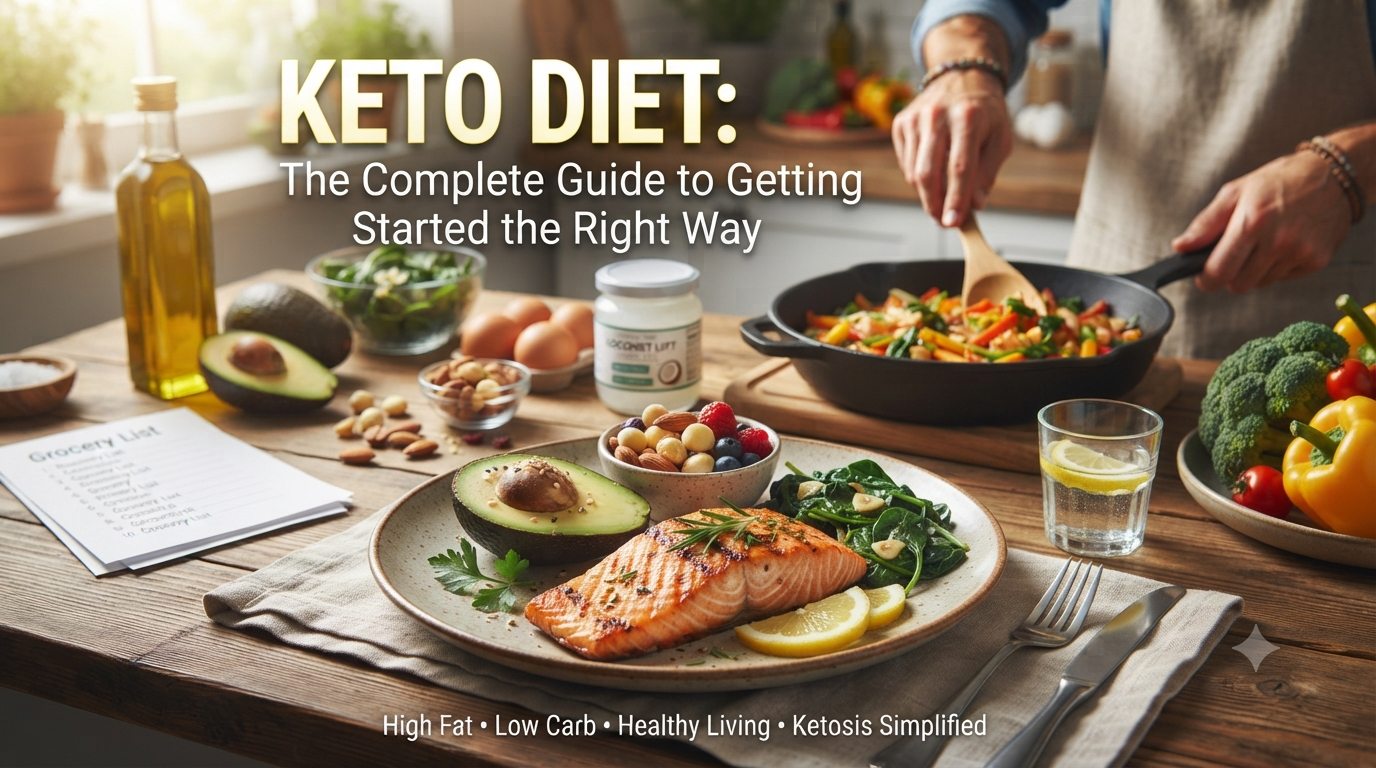
A successful keto diet depends far more on food quality than most people expect. Here’s a practical breakdown of keto diet foods.
Foods to Eat
- Meat, poultry, and fish — beef, chicken, turkey, and fatty fish like salmon and mackerel
- Eggs — a keto staple, versatile and inexpensive
- Full-fat dairy — cheese, plain Greek yogurt, butter, and cream
- Healthy fats — olive oil, avocado, and nuts such as almonds and walnuts
- Non-starchy vegetables — leafy greens, broccoli, cauliflower, zucchini, and bell peppers
- Low-sugar berries — small portions of raspberries, blackberries, or strawberries
Foods to Avoid
- Bread, pasta, rice, and other grains
- Potatoes and other starchy vegetables
- Sugary drinks, candy, and most desserts
- Most fruit, since it’s naturally high in carbohydrates
- Beans, lentils, and other legumes in large amounts
A word of caution from Harvard Health researchers: not all “keto-approved” fats are equal. Loading up on saturated fat sources like bacon, butter, and processed meats without balancing them against unsaturated fats such as olive oil and avocado can work against your long-term heart health, so quality matters as much as the macros do.
This food list also forms the backbone of a low carb diet plan more broadly, even for people who aren’t chasing full ketosis. A low carb diet plan built around the same whole-food list — just with a slightly higher daily carb allowance — is a common, gentler entry point for beginners in the U.S., the UK, Australia, and beyond, before committing to a full ketogenic diet plan.
A Simple Keto Diet Plan for Beginners
You don’t need an elaborate keto diet plan to get started. Here’s a straightforward one-day framework you can repeat and rotate:
| Meal | Example |
|---|---|
| Breakfast | Scrambled eggs cooked in butter with spinach and avocado |
| Lunch | Grilled chicken salad with olive oil dressing, cucumber, and feta |
| Snack | A handful of almonds or celery with cream cheese |
| Dinner | Baked salmon with roasted broccoli in olive oil |
To personalize this further, calculate your total daily calorie target first, then split it into roughly 70% fat, 20% protein, and 10% carbs. Our TDEE Calculator can help you find your total daily energy expenditure so your keto macros are based on your actual activity level rather than a generic number.
For those who prefer eating patterns rooted in a specific cuisine, an Indian ketogenic diet plan built around paneer, eggs, ghee, and low-carb vegetables like spinach and cauliflower can follow the same macro targets as any other version, and vegetarian ketogenic diet plan resources exist for nearly every regional food tradition, from South Indian to Mediterranean-style ketogenic eating.
Low Carb and Keto Diet Plans by Calorie Level
Calorie needs vary a lot from person to person, which is why keto and low carb diet plans are often built around a target daily intake rather than a one-size-fits-all menu. Common structures people search for include an 800-calorie or 1200-calorie ketogenic diet menu for aggressive short-term fat loss under medical supervision, a more moderate 1500-calorie or 2000-calorie ketogenic diet plan for steady weight loss or maintenance, and simple 7-day, 14-day, or 30-day ketogenic diet meal plans that map an entire week or month out in advance so there’s less daily guesswork. A very low calorie ketogenic diet plan (sometimes abbreviated VLCKD in clinical literature) is a more intensive, medically supervised version generally reserved for significant, monitored weight loss rather than everyday use.
Low carb diet plan structures follow similar logic and show up under many regional names — a low carb diet plan for Australia, South Africa, the UK, New Zealand, Pakistan, the Philippines, Nigeria, Kenya, or Sri Lanka will all lean on the same core principles of whole foods and reduced starches, adapted to locally available ingredients and, in many cases, offered as free printable PDFs or app-based trackers for easier day-to-day use. You can build your own version of any of these at any calorie level with our Daily Diet Calculator.
Keto Diet Recipes to Try
You don’t have to eat the same three meals on repeat. Some popular keto diet recipes worth building into your rotation include:
- Zucchini noodles with garlic butter shrimp
- Cauliflower fried “rice” with egg and scallions
- Cheese-crusted baked chicken thighs
- Keto egg muffins with spinach and bacon for meal prep
- Avocado and tuna salad lettuce wraps
The goal isn’t restriction for its own sake — it’s finding meals built around whole, low-carb foods that you’ll actually enjoy eating long term, since adherence is the biggest predictor of results with any diet.
Keto Diet Benefits
Research backs several keto diet benefits, particularly in the short to medium term:
- Weight loss — Ketosis often reduces appetite and can lead to meaningful fat loss, partly because higher fat and protein intake increases satiety.
- Better blood sugar control — Several studies show improvements in insulin sensitivity and blood glucose levels, which is why some people with type 2 diabetes explore a ketogenic diet plan for diabetes under medical supervision.
- Improved triglycerides and HDL cholesterol — Short-term studies have shown favorable shifts in some lipid markers.
- Reduced hunger and cravings — Many people report needing to think less about food once they’re fat-adapted.
- Established epilepsy therapy — A ketogenic diet plan for epilepsy and seizure control remains a recognized clinical treatment for drug-resistant epilepsy in children, and increasingly in adults as well.
According to a review published in Frontiers in Nutrition, these benefits tend to be strongest in the first several months, which is an important nuance to keep in mind before committing long term.
Keto Diet Side Effects
Along with the benefits, it’s worth understanding the keto diet side effects before you start:
- Keto flu — headaches, fatigue, and irritability during the first week as your body adapts
- Constipation — low fiber intake from cutting grains and legumes is one of the most common complaints
- Bad breath — a byproduct of ketone production
- Nutrient gaps — restricting fruits, vegetables, and whole grains can limit intake of magnesium, selenium, and B vitamins
- Elevated LDL cholesterol in some people, particularly with high saturated fat intake
- Kidney stones, which have been documented in longer-term keto users, especially those with existing kidney risk factors
The Mayo Clinic notes that because the diet is genuinely difficult to sustain, few people stay strictly keto for years, and the long-term health effects of doing so aren’t fully established. That’s a good reason to check in with a doctor or registered dietitian before starting, especially if you have any existing liver, kidney, or gallbladder conditions, or are considering a ketogenic diet plan for seniors, who may have different nutrient and medication considerations than younger adults.
Keto Diet for Weight Loss: Does It Actually Work?
For keto diet for weight loss, the short answer is yes — for many people, at least initially. The very restrictive nature of the diet naturally cuts calorie intake, and higher protein and fat intake helps control appetite. Some of the early, rapid weight loss on keto is water weight, since carbohydrate stores in the body hold onto water.
Longer-term studies are more mixed. Some research suggests that after 12 months, keto doesn’t outperform other reduced-calorie diets for weight loss once adherence issues are factored in — many people find it hard to maintain strict carb restriction over time. If your primary goal is fat loss, it’s worth comparing a strict ketogenic diet plan against a more flexible low carb diet plan or a general calorie-deficit approach using our Free Calorie Calculator to see which structure you can realistically stick to.
Keto Diet for Women
Keto diet for women comes with a few specific considerations. Hormonal fluctuations across the menstrual cycle can affect hunger, energy, and how the body responds to very low-carb eating. Some women report disrupted menstrual cycles on very strict, low-calorie keto plans, particularly when body fat drops quickly or calorie intake is too low relative to activity level.
Because of this, many registered dietitians recommend women pay closer attention to adequate calorie intake, prioritize protein and micronutrient-dense vegetables, and consider a slightly less restrictive version of keto if cycle irregularities appear. Keto has also been studied for PCOS (polycystic ovary syndrome), with some women reporting improved insulin sensitivity and more regular cycles, though more research is still needed.
Keto Diet for Men
Keto diet for men tends to draw interest for fat loss while preserving lean muscle, since the diet’s higher protein and fat content can support muscle maintenance during a calorie deficit. Men generally have a higher muscle mass and higher baseline calorie needs, so getting enough total calories and protein — not just hitting a carb limit — matters for preserving strength and energy for training.
If strength training is part of your routine, pay attention to performance in the first few weeks. Some men notice a temporary dip in strength or endurance during the “keto-adaptation” period before energy levels normalize.
Is the Keto Diet Right for You?
The keto diet isn’t inherently good or bad — it’s a tool that works well for some goals and poorly for others. It can be genuinely effective for short-to-medium-term weight loss, blood sugar management, and appetite control. It’s also restrictive, harder to sustain long term, and not appropriate for everyone, particularly people with liver, kidney, pancreatic, or gallbladder conditions.
Before starting, it’s worth talking to a doctor, especially if you take medication for diabetes or blood pressure, since these often need adjusting once carb intake drops. From there, start by calculating your calorie and macro targets with our Daily Diet Calculator, build meals around whole foods rather than packaged “keto” products, and reassess after a few weeks based on how you actually feel.
Frequently Asked Questions
1. What is a keto diet and how does it work?
The ketogenic (keto) diet is a high-fat, moderate-protein, and very low-carbohydrate eating plan. Typically, the macro breakdown consists of 70–75% fat, 20–25% protein, and only 5–10% carbohydrates (roughly 20 to 50 grams of net carbs per day).
By drastically reducing carbohydrate intake, you deplete your body’s glycogen (sugar) reserves. As a result, your body enters a natural metabolic state called ketosis, where it efficiently burns stored fat and dietary fat for energy instead of glucose, producing molecules called ketones.
2. Where can I find a free keto diet plan PDF?
Many health platforms, nutrition blogs, and medical sites offer downloadable, structured free ketogenic diet plan PDFs and free low carb diet plan apps for beginners. When choosing a PDF guide or app, look for resources created by registered dietitians or nutritionists that include:
- A 7-day or 14-day meal calendar
- Clear macronutrient tracking guidelines
- Comprehensive grocery shopping lists tailored for low-carb lifestyles, including regional versions such as a low carb diet plan for South Africa or a low carb diet plan for Australia
3. What foods do you eat in a ketogenic diet?
A successful keto grocery list focuses on whole, nutrient-dense, high-fat, and low-carb options:
- Healthy Fats & Oils: Avocado oil, extra virgin olive oil, butter, ghee, and coconut oil
- Proteins: Grass-fed meats, poultry, eggs, and fatty fish like salmon, sardines, and mackerel (rich in omega-3s)
- Low-Carb Vegetables: Leafy greens (spinach, kale, arugula), broccoli, cauliflower, zucchini, bell peppers, and asparagus
- Dairy & Nuts: Full-fat cheese, heavy cream, Greek yogurt, macadamia nuts, walnuts, chia seeds, and flaxseeds
4. How effective is the keto diet for weight loss?
The keto diet is widely utilized for weight loss because it suppresses appetite and promotes rapid fat-burning. When insulin levels drop significantly due to minimal carb intake, the body gains access to stubborn fat stores — especially visceral belly fat.
While many people experience quick initial weight drops (largely due to water weight and glycogen depletion), long-term fat loss still relies on maintaining a sustainable caloric deficit, whether that’s structured as a 1200-calorie ketogenic diet plan, a 2000-calorie ketogenic diet plan, or a more flexible low carb diet plan to lose weight at a gentler pace. Our Calorie Calculator can help you find the right target either way.
5. Are there differences between the keto diet for women vs. men?
Yes, biological and hormonal differences mean men and women can respond differently to strict carbohydrate restriction:
- For Men: Men often experience rapid initial weight and fat loss due to higher baseline muscle mass and higher daily caloric requirements.
- For Women: Women possess more sensitive hormonal feedback loops (particularly involving cortisol, thyroid function, and estrogen). Overly strict or prolonged carbohydrate restriction can sometimes disrupt cortisol balance or menstrual cycles. Many women find success utilizing a modified approach, such as cyclical keto or targeted carb-ups.
6. What are some easy keto diet recipes for beginners?
Simple and delicious keto-friendly recipe ideas require minimal cooking adjustments:
- Breakfast: Scrambled eggs cooked in butter with spinach and avocado, or a keto coffee blended with MCT oil or heavy cream
- Lunch: Grilled chicken or tuna salad over a bed of mixed leafy greens, tossed with olive oil and topped with pumpkin seeds and cheese
- Dinner: Baked salmon served alongside garlic-butter roasted broccoli or cauliflower mash
7. What are the primary health benefits of a keto diet?
Beyond weight loss, research and anecdotal evidence highlight several key benefits of a well-formulated ketogenic diet:
- Appetite Control: High-fat and moderate-protein foods trigger satiety hormones, leading to natural reductions in daily calorie consumption.
- Blood Sugar & Insulin Regulation: Highly effective for individuals managing Type 2 diabetes or insulin resistance, which is why a ketogenic diet plan for diabetes is a frequently studied area.
- Sustained Mental Focus: Ketones serve as an efficient, steady energy source for the brain, often reducing “brain fog.”
8. Is a ketogenic or low carb diet plan safe for everyone?
Not automatically. A basic ketogenic diet plan or low carb diet plan is generally well tolerated by healthy adults, but medical versions — such as a ketogenic diet plan for epilepsy, a ketogenic diet plan for cancer patients, or a ketogenic diet plan for kids and toddlers — should only be started under the guidance of a physician or registered dietitian. Pregnant women, people with kidney or liver conditions, and anyone on medication for diabetes or blood pressure should also consult a doctor before starting either a ketogenic diet plan or a low carb diet plan.
9. What is the best keto diet plan?
The best keto diet plan is one that is nutritionally balanced, sustainable, and matched to your goal (weight loss, blood sugar management, or medical treatment). For most healthy adults, a standard ketogenic diet (SKD) is the most practical approach.
This article is for general educational purposes and isn’t a substitute for personalized medical advice. Talk to a doctor or registered dietitian before starting the keto diet, especially if you have an existing health condition. Ready to build your own plan? Start with our Daily Diet Calculator.