Written by the nutrition experts at Daily Diet Calculator — your free online tool for personalized diet and weight loss calculations.
Starting a diet plan is one of the most searched health topics in America right now — and for good reason. Over 45% of American adults say they’re actively trying to lose weight, according to the CDC. But here’s the harsh truth: most people fail within the first two weeks because they skip the foundational steps.
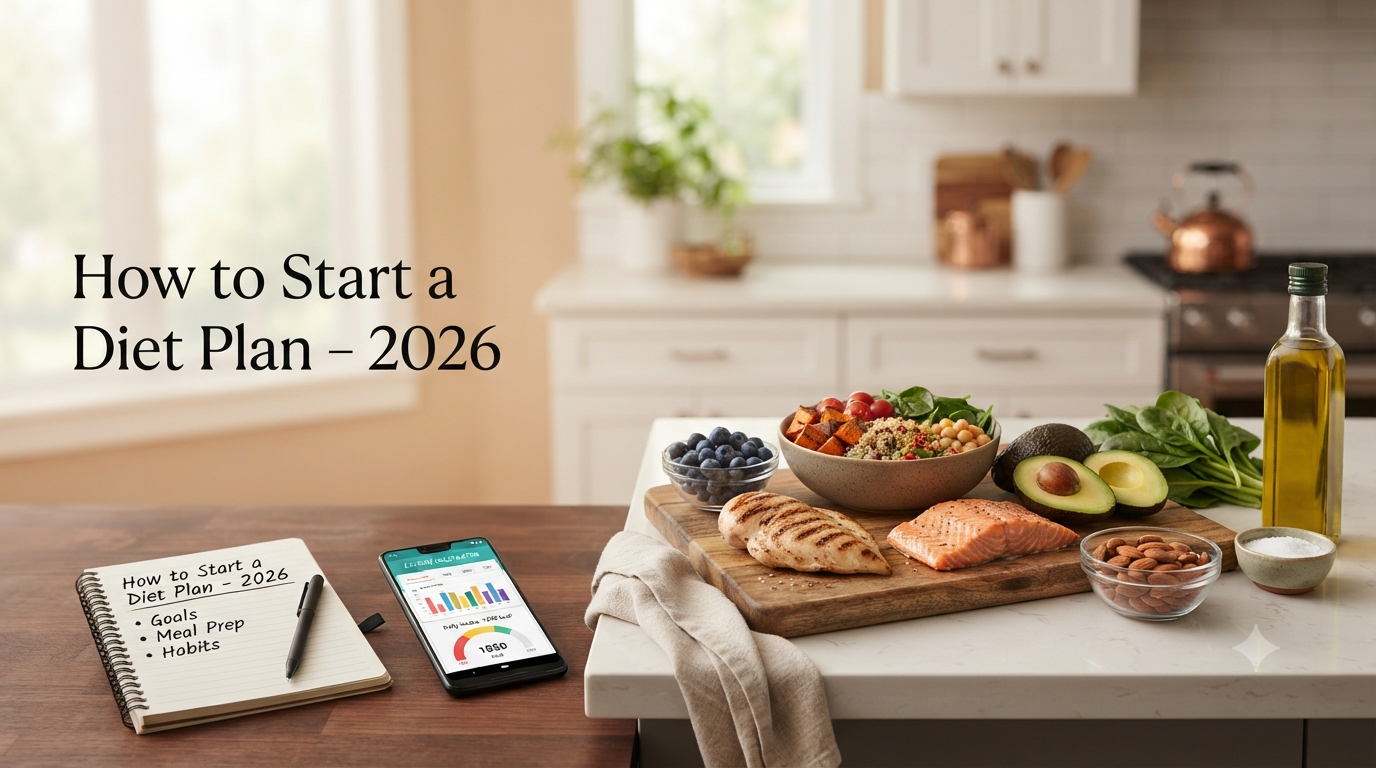
If you’ve ever Googled “how to start a diet plan” and felt overwhelmed by contradictory advice, fad diets, and unrealistic promises — this guide is for you. We’re going to walk you through everything — from calculating your exact calorie needs to building a sustainable meal framework — so you can finally start (and stick with) a diet plan that actually works in 2026.
Quick Tool Tip: Before reading further, use our Daily Diet Calculator to get your personalized calorie and macro targets. Having your numbers ready will make every step below 10x more actionable.
Table of Contents
Why Most Diet Plans Fail in 2026 (And How Yours Won’t)
Let’s start with what the research says. A study published in The BMJ found that most popular diets produce meaningful weight loss at the 6-month mark — but almost all of them lose effectiveness by 12 months. Why? Because people quit.
In 2026, there are more diets, more influencers, more supplements, and more conflicting information than ever before. The noise is louder. The promises are bigger. And the confusion is real.
The top reasons Americans abandon their diet plans include:
- Going too extreme too fast — cutting 1,000+ calories overnight
- No personalization — following a generic plan that doesn’t match their body, schedule, or food preferences
- All-or-nothing thinking — one “bad” meal becomes a bad week
- No calorie awareness — guessing instead of calculating
- Social media comparison — comparing their Week 2 to someone else’s Month 12
- Over-reliance on GLP-1 drugs without lifestyle changes — a growing issue in 2026 as medications like semaglutide become more mainstream
- Social pressure — no strategy for eating out, holidays, or family dinners
Here’s what separates people who succeed from those who don’t: they treat their diet plan as a system, not a punishment.
This guide will help you build that system — updated with the latest research and trends for 2026.
Step 1: Define Your “Why” — Set a Real Goal
Before you change a single thing on your plate, you need clarity on why you’re doing this.
The SMART Goal Framework for Dieting
Vague goals like “I want to lose weight” or “I want to eat healthier” are motivation killers. Instead, use the SMART framework:
| Element | Vague Goal | SMART Goal |
|---|---|---|
| Specific | Lose weight | Lose 20 pounds of body fat |
| Measurable | Eat better | Eat 5 servings of vegetables daily |
| Achievable | Lose 50 lbs in a month | Lose 1-2 lbs per week |
| Relevant | Follow a bodybuilder’s diet | Follow a plan that fits my 9-5 schedule |
| Time-Bound | Eventually | In 12 weeks |
What Does Your Goal Actually Require?
Here’s a quick reference:
- Lose 1 pound per week → ~500 calorie daily deficit
- Lose 2 pounds per week → ~1,000 calorie daily deficit (the safe maximum for most people)
- Maintain weight but improve health → eat at maintenance calories with better food quality
- Build muscle while losing fat (body recomposition) → slight deficit + high protein
💡 Use our Daily Diet Calculator to figure out your exact maintenance calories and deficit targets based on your age, height, weight, gender, and activity level.
Step 2: Calculate Your Daily Calorie Needs
This is where most people get it wrong — and it’s arguably the most important step in learning how to start a diet plan in 2026.
Understanding TDEE (Total Daily Energy Expenditure)
Your body burns calories in four ways:
- BMR (Basal Metabolic Rate) — calories burned just being alive (~60-70% of total)
- TEF (Thermic Effect of Food) — calories burned digesting food (~10%)
- EAT (Exercise Activity Thermogenesis) — intentional exercise (~5-10%)
- NEAT (Non-Exercise Activity Thermogenesis) — walking, fidgeting, standing (~15-25%)
Your TDEE = BMR + TEF + EAT + NEAT
How to Calculate Your Numbers
You have two options:
Option A: The Manual Formula (Mifflin-St Jeor Equation)
- Men: BMR = (10 × weight in kg) + (6.25 × height in cm) – (5 × age) + 5
- Women: BMR = (10 × weight in kg) + (6.25 × height in cm) – (5 × age) – 161
Then multiply by an activity factor:
- Sedentary (desk job, little exercise): BMR × 1.2
- Lightly Active (exercise 1-3 days/week): BMR × 1.375
- Moderately Active (exercise 3-5 days/week): BMR × 1.55
- Very Active (exercise 6-7 days/week): BMR × 1.725
Option B: Use Our Free Calculator (Takes 30 Seconds)
👉 Click here to use the Daily Diet Calculator — just enter your details and get your personalized calorie target, macro breakdown, and recommended deficit instantly.
Example Calculation
Let’s say you’re a 35-year-old American woman, 5’5″ (165 cm), 170 lbs (77 kg), with a desk job who exercises 3 times per week:
- BMR = (10 × 77) + (6.25 × 165) – (5 × 35) – 161 = 1,440 calories
- TDEE = 1,440 × 1.375 = 1,980 calories (maintenance)
- Fat loss target (1 lb/week) = 1,980 – 500 = 1,480 calories/day
This is your starting point. Not 1,200. Not some arbitrary number from a magazine. Your number.
Step 3: Choose the Right Diet Type for Your Lifestyle
Now that you have your calorie target, you need to decide how you’ll eat. The best diet plan in 2026 is still the one you can actually follow — nothing has changed that fundamental truth.
Here’s an honest, updated breakdown of the most popular diet approaches in America right now:
1. Balanced Calorie Counting
- What it is: Eat whatever foods you want, but stay within your calorie and macro targets
- Best for: Beginners, people who hate restrictions, busy professionals
- Pros: Maximum flexibility, teaches long-term food awareness
- Cons: Requires tracking (at least initially)
- 2026 Update: AI-powered apps now make tracking faster than ever
- Sustainability Rating: ⭐⭐⭐⭐⭐
2. Mediterranean Diet
- What it is: Emphasis on whole grains, olive oil, fish, vegetables, fruits, and legumes
- Best for: Heart health, long-term weight management, people who love cooking
- Pros: Ranked #1 diet by U.S. News for 8 consecutive years through 2026, incredibly strong research backing
- Cons: Can be more expensive, requires some meal prep
- 2026 Update: New research confirms Mediterranean eating significantly reduces risk of metabolic syndrome
- Sustainability Rating: ⭐⭐⭐⭐⭐
3. High-Protein Diet
- What it is: Protein at 30-40% of total calories (0.8-1.2g per pound of body weight)
- Best for: People who exercise, anyone struggling with hunger on a diet
- Pros: Preserves muscle, increases satiety, higher thermic effect
- Cons: Can be monotonous, may require protein supplements
- 2026 Update: Now the most recommended approach by American dietitians for active adults
- Sustainability Rating: ⭐⭐⭐⭐
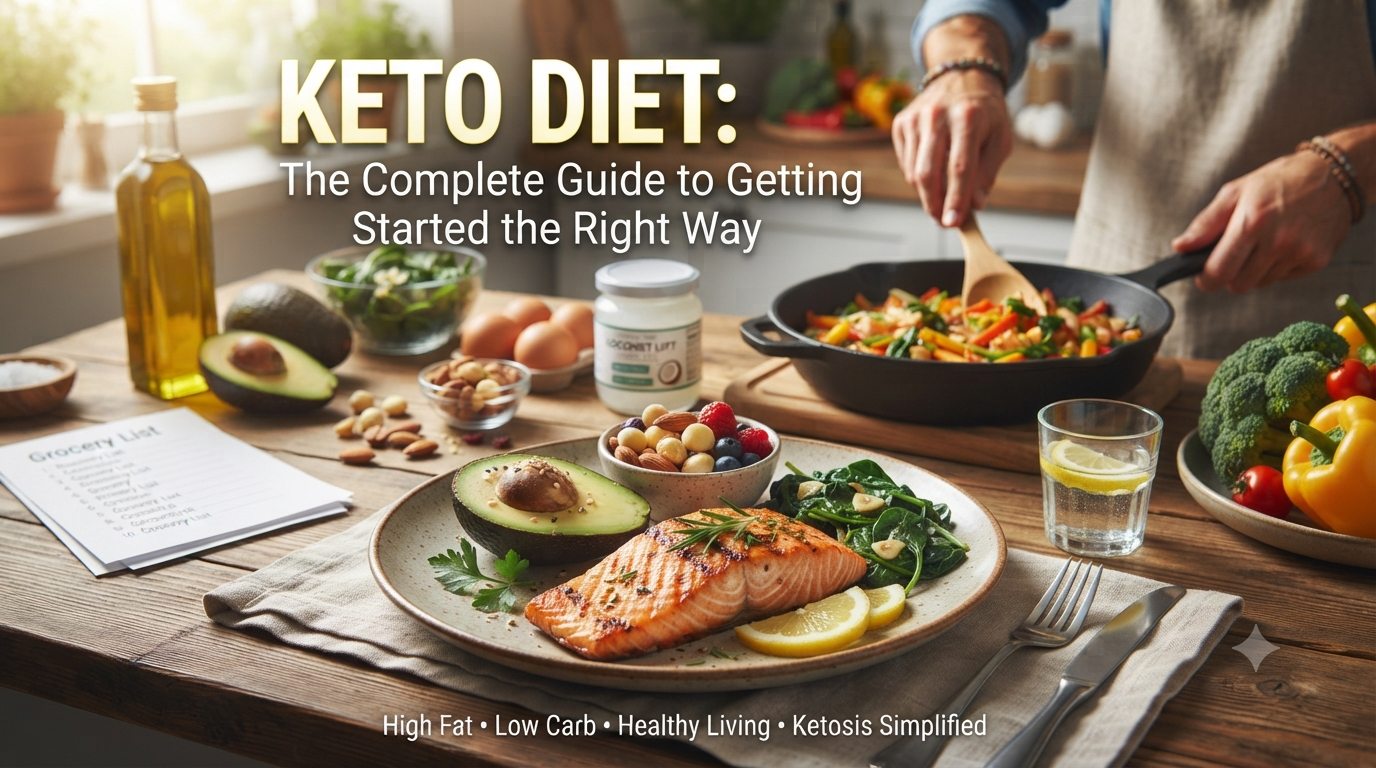
4. Low-Carb / Keto
- What it is: Carbs limited to 20-100g per day (keto is the extreme end at <20-50g)
- Best for: People with insulin resistance, those who feel better on fewer carbs
- Pros: Rapid initial weight loss (mostly water), reduced appetite for some
- Cons: Hard to sustain, limits food groups, “keto flu,” less flexibility in social settings
- 2026 Update: Research continues to show it’s not superior long-term when calories are matched
- Sustainability Rating: ⭐⭐⭐
5. Intermittent Fasting (IF)
- What it is: Restricting when you eat (e.g., 16:8, eating only between 12pm-8pm)
- Best for: People who don’t like breakfast, those who prefer bigger meals
- Pros: Simple rules, no food restrictions, may improve metabolic markers
- Cons: Can lead to overeating in the eating window, not ideal for everyone
- 2026 Update: A 2025 large-scale study from University of Illinois confirmed IF is effective but not superior to standard calorie restriction — adherence is the key factor
- Sustainability Rating: ⭐⭐⭐⭐
6. Plant-Based / Vegan
- What it is: Eliminating or significantly reducing animal products
- Best for: Ethical eaters, people with certain health conditions
- Pros: High in fiber, linked to lower disease risk, environmentally friendly
- Cons: Requires careful planning for protein, B12, iron, and zinc
- 2026 Update: Plant-based protein products have dramatically improved in quality and availability
- Sustainability Rating: ⭐⭐⭐
7. Protein-Pacing (NEW in 2026)
- What it is: Eating 4-5 equally spaced protein-rich meals throughout the day
- Best for: People who want to optimize muscle retention while losing fat
- Pros: Emerging research shows benefits for gut microbiome and fat loss
- Cons: Requires more meal planning, not ideal for IF practitioners
- 2026 Update: Gaining significant traction in the U.S. wellness community based on recent studies
- Sustainability Rating: ⭐⭐⭐⭐
Which One Should You Pick?
Ask yourself these three questions:
- Can I see myself eating this way in 6 months? If not, it’s too restrictive.
- Does it fit my daily schedule? A busy nurse working 12-hour shifts needs a different approach than a work-from-home freelancer.
- Does it include foods I actually enjoy? Suffering is not a prerequisite for weight loss.
Pro Tip for 2026: The most effective approach most nutrition experts now recommend is combining Mediterranean-style eating + High Protein + slight Intermittent Fasting (12:12 or 14:10) — flexible enough to sustain, powerful enough to work.
Step 4: Build Your Weekly Meal Plan
Having a meal plan removes the #1 diet killer: decision fatigue. When you’re hungry and don’t know what to eat, you default to whatever’s convenient — usually something that doesn’t align with your goals.
The Simple Meal Planning Formula
For each meal, use this template:
🍽️ Protein + Vegetable/Fiber + Smart Carb + Healthy Fat
Examples:
| Meal | Protein | Veggie/Fiber | Smart Carb | Healthy Fat |
|---|---|---|---|---|
| Breakfast | Greek yogurt | Berries | Oats | Almonds |
| Lunch | Grilled chicken | Mixed greens salad | Quinoa | Avocado |
| Dinner | Salmon | Roasted broccoli | Sweet potato | Olive oil |
| Snack | Cottage cheese | Celery/cucumber | Apple | Peanut butter |
Macro Distribution Guidelines
For a general weight loss diet plan in 2026, aim for approximately:
- Protein: 30-35% of calories (non-negotiable for preserving muscle — this recommendation has increased slightly based on 2024-2025 research)
- Carbohydrates: 35-40% of calories
- Fats: 25-35% of calories
For our example person eating 1,480 calories:
- Protein: ~130g (520 calories)
- Carbs: ~148g (592 calories)
- Fats: ~41g (369 calories)
🔢 Don’t want to do the math? Our Daily Diet Calculator breaks down your exact macro targets automatically.
Meal Prep Strategies That Actually Work in 2026
The Batch Cook Method (Sunday Prep)
- Cook 3-4 proteins in bulk (chicken, ground turkey, hard-boiled eggs, salmon)
- Prepare 2-3 grains/carb sources (rice, quinoa, sweet potatoes)
- Wash and chop vegetables for the week
- Portion into containers
Time required: 2-3 hours on Sunday
Time saved during the week: 5-7 hours
The “Cook Once, Eat Twice” Method
- Make double portions at dinner
- Pack leftovers for next day’s lunch
- Rotate recipes so you don’t get bored
The AI Meal Planning Method (New in 2026)
- Use AI tools to generate weekly meal plans based on your calorie targets, dietary preferences, and budget
- Combine with our Daily Diet Calculator for exact portion sizes
- Tools like this can generate shopping lists automatically and reduce planning time to under 5 minutes
Step 5: Stock Your Kitchen the Right Way
Your food environment determines your food choices more than willpower ever will. Research from Cornell University’s Food and Brand Lab showed that people who kept fruit on their counter weighed 13 pounds less than those who didn’t.
The Ultimate 2026 Diet-Friendly Grocery List
Proteins (Buy Weekly)
- Chicken breast or thighs
- Ground turkey (93/7)
- Eggs
- Greek yogurt (plain, 0% or 2%)
- Salmon or white fish
- Lean ground beef
- Cottage cheese
- Tofu or tempeh (if plant-based)
- Skyr (Icelandic yogurt — higher protein than Greek, trending strongly in 2026)
Vegetables (Buy Weekly)
- Spinach / mixed greens
- Broccoli
- Bell peppers
- Zucchini
- Onions
- Tomatoes
- Cauliflower
- Frozen veggie mixes (for convenience)
- Edamame (great high-protein veggie snack)
Complex Carbohydrates (Buy Bi-Weekly)
- Brown rice or white rice
- Oats (old-fashioned or steel-cut)
- Sweet potatoes
- Quinoa
- Whole grain bread (Ezekiel or Dave’s Killer Bread)
- Beans and lentils (canned is fine)
- Chickpea pasta (higher protein alternative to regular pasta)
Healthy Fats (Buy Monthly)
- Extra virgin olive oil
- Avocados
- Almonds, walnuts, or mixed nuts
- Natural peanut butter or almond butter
- Chia seeds or flaxseeds
Fruits (Buy Weekly)
- Berries (fresh or frozen)
- Bananas
- Apples
- Oranges
Pantry Staples
- Spices (garlic powder, cumin, paprika, Italian seasoning, cinnamon)
- Low-sodium soy sauce or coconut aminos
- Hot sauce
- Mustard
- Vinegar (balsamic, apple cider)
- Chicken or veggie broth (low sodium)
What to Remove (or Limit) From Your Kitchen
- ❌ Sugary cereals
- ❌ Chips and crackers (unless portioned)
- ❌ Cookies, candy, ice cream tubs
- ❌ Sugary drinks, juices, and energy drinks loaded with sugar
- ❌ Ultra-processed frozen meals high in sodium
The 2026 rule: Your home environment is your biggest diet tool. If it’s not in your house, you won’t eat it at midnight.
Step 6: Master Portion Control Without Obsessing
You don’t need to weigh every gram of food forever. But you do need to develop portion awareness — most Americans still dramatically underestimate how much they’re eating.
The Hand Portion Method
This is the simplest method, backed by Precision Nutrition’s research on over 100,000 clients:
- Your palm = 1 serving of protein (~4 oz / 25-30g protein)
- Your fist = 1 serving of vegetables (~1 cup)
- Your cupped hand = 1 serving of carbs (~½ cup cooked grain/rice)
- Your thumb = 1 serving of fats (~1 tablespoon)
For weight loss, women should aim for:
- 1 palm of protein per meal
- 1 fist of vegetables per meal
- 1 cupped hand of carbs per meal
- 1 thumb of fats per meal
For weight loss, men should aim for:
- 2 palms of protein per meal
- 2 fists of vegetables per meal
- 2 cupped hands of carbs per meal
- 2 thumbs of fats per meal
The “Plate Method” (Even Simpler)
If hand portions feel like too much thinking, use a standard 9-inch dinner plate:
- ½ the plate = non-starchy vegetables
- ¼ the plate = lean protein
- ¼ the plate = complex carbs/starch
- A small side = healthy fat (drizzle of oil, slice of avocado, handful of nuts)
When to Use a Food Scale
A food scale ($10-15 on Amazon) is worth using during weeks 1-4 for education. You’ll learn things like:
- A “tablespoon” of peanut butter is actually 2-3 tablespoons when you eyeball it
- A “serving” of cereal is shockingly small
- Cooking oils add hundreds of hidden calories
After a month, most people develop accurate enough intuition to stop weighing every meal.
Step 7: Track Progress (Beyond the Scale)
The scale is a liar — or at least a very incomplete storyteller. Your weight can fluctuate 2-5 pounds in a single day based on:
- Water retention from sodium
- Hormonal changes (especially for women)
- Carbohydrate intake
- Whether you’ve had a bowel movement
- How much sleep you got
The Multi-Metric Tracking System for 2026
Track all of these, not just weight:
1. Weekly Weigh-Ins (Not Daily)
- Weigh yourself at the same time each morning, after using the bathroom, before eating
- Record the number but focus on the weekly average and monthly trend
- A healthy rate of loss: 0.5-2 lbs per week
2. Body Measurements (Bi-Weekly)
- Waist circumference (at belly button)
- Hip circumference
- Chest
- Arms
- Thighs
3. Progress Photos (Monthly)
- Same lighting, same angle, same clothing
- Front, side, and back
- Photos reveal changes the mirror often hides
4. Performance Metrics
- Can you walk or run farther?
- Are you lifting heavier weights?
- Do you have more energy throughout the day?
- Is your sleep quality improving?
5. Non-Scale Victories (Ongoing)
- Clothes fitting differently
- Compliments from others
- Improved bloodwork (cholesterol, blood sugar, blood pressure)
- Better mood and mental clarity
- Fewer cravings
- Improved digestion
What If the Scale Isn’t Moving?
If you’ve been consistent for 2-3 weeks and see zero change across ALL metrics, consider:
- Re-calculating your calories — as you lose weight, your TDEE decreases. Use our Daily Diet Calculator to recalculate every 10-15 pounds.
- Auditing your tracking — are you counting everything? Cooking oils, dressings, beverages, weekend meals?
- Checking your NEAT — many people unconsciously move less when dieting. Add a daily step goal of 8,000-10,000 steps.
- Evaluating sleep and stress — cortisol from sleep deprivation and chronic stress directly stalls fat loss.
- Checking medication effects — certain medications can stall weight loss. Discuss with your doctor.
Step 8: Handle Setbacks Like a Pro
You will have days when you overeat. You’ll have weekends that go off the rails. You’ll attend birthday parties, Fourth of July barbecues, Thanksgiving dinners, and late-night snack sessions.
This is not failure. This is being human in America in 2026.
The 90/10 Rule
If you eat 21 meals per week, hitting your targets on 19 of them means you’re 90% consistent. That’s more than enough for excellent results.
- 90% consistency = great results
- 80% consistency = good results
- 70% consistency = maintenance (no gain, no loss)
- Below 70% = you’ll likely struggle
The “Next Meal” Mentality
The single most powerful mindset shift: your next meal is always a fresh start.
- Ate an entire pizza on Friday night? Saturday breakfast is a fresh start.
- Went overboard on a summer vacation? Your first meal back is a fresh start.
- Had a stressful week and ate emotionally? Monday morning is a fresh start.
One meal doesn’t define your diet any more than one rainy day defines a summer.
How to Navigate Common American Social Situations in 2026
Restaurant Dining:
- Look at the menu before you go — most chains now have full nutrition info online and on their apps
- Order protein + vegetables as your base
- Ask for dressings and sauces on the side
- Don’t arrive starving — have a small protein snack beforehand
- Budget: if you know you’re eating out, eat lighter earlier in the day
Holiday Meals (Thanksgiving, Christmas, 4th of July, Labor Day):
- Eat normally all day — don’t “save” calories (this leads to bingeing)
- Fill your plate once, enjoy it, and stop
- Focus on the people, not just the food
- Return to your normal plan the very next meal
Work Events / Happy Hours:
- Eat before you go
- If drinking alcohol, stick to lower-calorie options (light beer, vodka soda, dry wine)
- Remember: alcohol has 7 calories per gram and significantly lowers your food inhibitions
Fast Food (When It’s Your Only Option):
- Grilled items > fried every time
- Skip the sugary drinks — water or unsweetened iced tea
- Best fast-food choices in 2026: Chick-fil-A grilled nuggets, Chipotle bowl (no rice, extra protein, salsa instead of sour cream), Wendy’s grilled chicken sandwich (no mayo), McDonald’s Egg McMuffin (surprisingly solid protein choice)
Sample 7-Day Beginner Diet Plan for 2026
This plan is designed for approximately 1,500 calories per day — adjust portions up or down based on your personal target from our Daily Diet Calculator.
Weekly Meal Plan · ~1,400–1,520 kcal / day
Seven Days of Balanced Eating
| Meal | Food | Cal. |
|---|---|---|
| Breakfast | 2 eggs scrambled + 1 slice whole grain toast + ½ avocado + handful of spinach | 380 |
| Lunch | Grilled chicken salad with mixed greens, cherry tomatoes, cucumber, 1 tbsp olive oil + balsamic vinegar | 420 |
| Snack | Apple + 1 tbsp peanut butter | 190 |
| Dinner | 5 oz baked salmon + roasted broccoli + ½ cup brown rice | 480 |
| Meal | Food | Cal. |
|---|---|---|
| Breakfast | Overnight oats: ½ cup oats + 1 scoop protein powder + ½ cup berries + 1 tbsp chia seeds + unsweetened almond milk | 370 |
| Lunch | Turkey and veggie wrap: whole wheat tortilla + 4 oz sliced turkey + lettuce, tomato, mustard + side of baby carrots | 400 |
| Snack | ¾ cup plain Skyr or Greek yogurt + drizzle of honey | 160 |
| Dinner | 5 oz lean ground turkey stir fry with bell peppers, snap peas, and zucchini + ½ cup quinoa | 490 |
| Meal | Food | Cal. |
|---|---|---|
| Breakfast | Smoothie: 1 scoop protein, 1 banana, handful of spinach, 1 tbsp almond butter, water/ice | 350 |
| Lunch | Leftover turkey stir fry from Day 2 | 490 |
| Snack | Cottage cheese (½ cup) + sliced cucumber + everything bagel seasoning | 130 |
| Dinner | 5 oz chicken breast + large sweet potato + steamed green beans + 1 tsp butter | 510 |
| Meal | Food | Cal. |
|---|---|---|
| Breakfast | 2 egg omelet with mushrooms, spinach, and 1 oz feta cheese | 280 |
| Lunch | Chicken and black bean bowl: 4 oz chicken, ½ cup black beans, salsa, ¼ avocado, romaine lettuce | 460 |
| Snack | 1 oz mixed nuts + 1 small orange | 220 |
| Dinner | Shrimp tacos (2): corn tortillas, 5 oz grilled shrimp, cabbage slaw, lime, fresh salsa | 480 |
| Meal | Food | Cal. |
|---|---|---|
| Breakfast | Skyr parfait: ¾ cup Skyr + ¼ cup low-sugar granola + ½ cup mixed berries | 320 |
| Lunch | Large salad with 4 oz grilled chicken, chickpeas (¼ cup), tomatoes, cucumbers, 1 tbsp olive oil dressing | 450 |
| Snack | 2 hard-boiled eggs + everything bagel seasoning | 160 |
| Dinner | 5 oz lean sirloin steak + roasted asparagus + side salad with lemon dressing | 520 |
| Meal | Food | Cal. |
|---|---|---|
| Brunch | Protein pancakes (2): made with oats, banana, egg, protein powder + ¼ cup berries | 400 |
| Lunch | Chipotle-style bowl at home: 4 oz chicken, cauliflower rice, black beans, pico de gallo, ¼ avocado | 440 |
| Snack | High-protein bar (>15g protein, <250 cal — brands like Quest, RXBar, or Barebells) | 200 |
| Dinner | Homemade burger: 5 oz lean beef patty on lettuce wrap + tomato, onion, pickles, mustard + baked sweet potato fries | 480 |
| Meal | Food | Cal. |
|---|---|---|
| Breakfast | Veggie egg scramble: 3 eggs + bell peppers, onions, spinach + 1 slice whole grain toast | 380 |
| Lunch | Lentil soup (homemade or low-sodium canned) + whole grain bread | 400 |
| Snack | Celery + 2 tbsp hummus + small handful of almonds | 180 |
| Dinner | 5 oz baked chicken thighs (skinless) + roasted Brussels sprouts + ½ cup wild rice | 500 |
📊 Want to customize this plan to YOUR exact calorie needs? Head to our Daily Diet Calculator and adjust portions accordingly.
Common Mistakes to Avoid When Starting a Diet in 2026
After helping thousands of users through our calculator tools, we’ve seen the same mistakes over and over. Here are the top 12 — including some new ones relevant to 2026:
1. Eating Too Few Calories
Going below 1,200 calories (women) or 1,500 calories (men) without medical supervision slows your metabolism, causes muscle loss, and dramatically increases cravings. Slow and steady wins the race every time.
2. Drinking Your Calories
A grande Starbucks Caramel Frappuccino has 380 calories. A glass of OJ has 110. Two glasses of wine have ~250. These add up fast and provide almost zero satiety.
Swap to: Water, black coffee, unsweetened tea, sparkling water with lemon.
3. Ignoring Protein
Most Americans eat enough total calories but far too little protein. Updated 2025-2026 research recommends even higher protein targets for adults over 35 to preserve muscle during weight loss.
Aim for 0.8-1.0 grams of protein per pound of body weight.
4. Eliminating Entire Food Groups Unnecessarily
Unless you have a diagnosed medical condition (celiac disease, lactose intolerance, etc.), you don’t need to cut out gluten, dairy, carbs, or any other food group. Restriction leads to obsession.
5. Relying on GLP-1 Drugs Without a Diet Plan (2026-Specific)
In 2026, medications like semaglutide (Ozempic/Wegovy) and tirzepatide (Mounjaro/Zepbound) are more accessible than ever. While these can be medically appropriate tools, using them without a structured diet plan risks losing muscle mass, rebounding when stopping, and missing out on the lifestyle habits needed for long-term success. These medications work best alongside a solid diet framework.
6. Following TikTok Diet Trends Blindly (2026-Specific)
In 2026, social media is flooded with “what I eat in a day” videos, extreme diet challenges, and influencer-promoted supplements. Most of these are entertainment — not evidence-based nutrition. Always verify claims against real research.
7. Weekend Amnesia
Eating perfectly Monday through Friday and then consuming 3,000+ calories on Saturday and Sunday can easily erase your entire weekly deficit. Consistency doesn’t take weekends off.
8. Not Planning for Snacks
If you’re going to snack (and most people do), plan for it. Budget 150-300 calories for daily snacks and have options ready and accessible.
9. Relying on Willpower Instead of Systems
Willpower is a finite resource that depletes throughout the day. Instead of relying on it:
- Meal prep on weekends
- Remove trigger foods from your home
- Set up your environment for success
- Build habits and routines that run on autopilot
10. Comparing Your Progress to Others
Your coworker who lost 15 pounds in a month has a completely different body, metabolism, starting point, lifestyle, and circumstances. Focus on YOUR data exclusively.
11. Skipping Strength Training
Diet alone will help you lose weight, but without resistance training, up to 25% of that weight loss could be muscle. Muscle is metabolically active tissue — losing it makes future weight maintenance harder and changes your body composition negatively.
Minimum recommendation: 2-3 strength training sessions per week.
12. Not Sleeping Enough
A landmark study in the Annals of Internal Medicine found that people who slept 5.5 hours per night lost 55% less fat and 60% more muscle than those who slept 8.5 hours — on the exact same diet and calorie intake.
The 2026 recommendation: 7-9 hours per night is now considered a non-negotiable pillar of any successful diet plan.
2026 Diet Trends Worth Knowing About
The nutrition landscape in America has evolved significantly. Here are the most talked-about trends this year and what the evidence actually says:
1. Protein-First Eating 🔥 (Trending Strongly)
What it is: At every meal, eat your protein source first before carbs or fats.
The evidence: Research suggests this simple habit reduces total calorie intake, improves blood sugar response, and increases satiety. It requires zero willpower — just eat in a different order.
Verdict: ✅ Backed by evidence. Easy to implement.
2. Continuous Glucose Monitoring (CGM) for Non-Diabetics
What it is: Wearing a small sensor (like a Libre or Dexterity) to track blood sugar responses to different foods.
The evidence: Mixed. While interesting data, the average healthy person doesn’t need CGM for weight loss. More useful for those with pre-diabetes or insulin resistance.
Verdict: ⚠️ Interesting tool but not necessary for most people.
3. Gut Health-Focused Dieting
What it is: Prioritizing fiber, fermented foods (yogurt, kimchi, sauerkraut, kefir), and diverse plant foods to optimize gut microbiome.
The evidence: Growing and promising. A healthy gut microbiome is increasingly linked to healthy weight, better mood, and lower inflammation.
Verdict: ✅ Excellent addition to any diet plan. Prioritize 30+ different plant foods per week.
4. Chronobiology-Based Eating (Eating With Your Circadian Rhythm)
What it is: Eating the majority of your calories earlier in the day and minimizing food intake after dark.
The evidence: Strong and growing. Studies show eating larger meals in the morning and smaller meals at night improves weight loss outcomes, blood sugar, and sleep quality.
Verdict: ✅ Worth implementing. Try eating 70% of calories before 6pm.
5. Ultra-Processed Food Elimination
What it is: Focusing on eliminating foods with more than 5 ingredients that include artificial additives, emulsifiers, and preservatives.
The evidence: Very strong. A 2024 NIH study confirmed people eat ~500 more calories per day when given ultra-processed food versus whole food — even when matched for macros and palatability.
Verdict: ✅ One of the most evidence-backed diet changes you can make in 2026.
6. AI-Personalized Nutrition
What it is: Using AI tools and apps to generate truly personalized meal plans based on your biometrics, food preferences, schedule, and goals.
The evidence: Early but promising. Tools that combine calorie calculations with personalization show better adherence rates.
Verdict: ✅ Use tools like our Daily Diet Calculator as your foundation, then layer in AI meal planning tools on top.
The Role of Exercise in Your 2026 Diet Plan
While nutrition drives the majority of weight loss results (the commonly cited ratio is 80% diet / 20% exercise), exercise plays a critical supporting and often underappreciated role.
Best Exercise for Weight Loss in 2026
Walking (Still the Most Underrated)
- Burns 250-400 calories per hour depending on pace and body weight
- Doesn’t significantly increase appetite the way high-intensity exercise can
- Low injury risk
- Proven to reduce cortisol (which stalls fat loss)
- Can be done anywhere, anytime, costs nothing
- Target: 7,000-10,000 steps daily
Strength Training
- Builds and preserves muscle during weight loss
- Increases resting metabolic rate
- Improves insulin sensitivity
- Gives your body shape, definition, and tone beyond just “smaller”
- Target: 2-4 sessions per week, 30-45 minutes each
Zone 2 Cardio (Trending in 2026)
- Low-intensity sustained cardio (you can hold a conversation)
- Walking briskly, cycling at moderate pace, easy swimming
- New research confirms Zone 2 is optimal for fat oxidation and metabolic health
- Target: 150 minutes per week
HIIT (High-Intensity Interval Training)
- Time-efficient — 20-25 minutes can match 45-60 minutes of steady cardio in calorie burn
- Best used sparingly (2x per week maximum) as primary tool
- Target: 1-2 sessions per week maximum to avoid overtraining
A Realistic Beginner Exercise Schedule for 2026
| Day | Activity | Duration |
|---|---|---|
| Monday | Strength Training (Full Body) | 30-40 min |
| Tuesday | Walking (Zone 2) | 30-45 min |
| Wednesday | Strength Training (Full Body) | 30-40 min |
| Thursday | Walking or light cycling | 30 min |
| Friday | Strength Training (Full Body) | 30-40 min |
| Saturday | Longer walk, hike, or fun outdoor activity | 45-60 min |
| Sunday | Rest or gentle yoga/stretching | 20 min |
Hydration: The Overlooked Diet Hack in 2026
Water isn’t glamorous, but it remains one of the most powerful and free weight loss tools available:
- Drinking 500ml (17 oz) of water before meals reduced calorie intake by 13% in a Virginia Tech study
- Dehydration is frequently mistaken for hunger — before reaching for a snack, drink a full glass of water and wait 15 minutes
- Water is essential for fat metabolism — your body requires adequate water to process and oxidize fat cells
- Even mild dehydration (1-2%) can reduce cognitive function and increase food cravings
How Much Water Should You Drink?
A solid starting point: half your body weight (in pounds) in ounces of water daily.
- 150 lbs → 75 oz per day
- 180 lbs → 90 oz per day
- 200 lbs → 100 oz per day
Add 16-20 oz for every hour of exercise.
Tips to drink more water in 2026:
- Keep a large 40oz insulated water bottle (like a Stanley or Hydro Flask) with you all day
- Drink a full glass immediately upon waking
- Set phone reminders or use a hydration tracking app
- Add lemon, cucumber, fresh mint, or electrolytes for flavor
- Sparkling water and herbal teas count toward your daily total
Supplements: What’s Worth Taking in 2026 (And What’s Not)
The supplement industry is now a $60+ billion market in the United States. The vast majority of products are unnecessary. Here’s an honest, evidence-based breakdown:
Worth Considering in 2026
| Supplement | Why | Recommended? |
|---|---|---|
| Protein Powder | Convenient way to hit protein goals | ✅ Yes, if you struggle with whole food protein |
| Creatine Monohydrate (5g/day) | Supports strength, well-researched safety profile, now shown to benefit brain health too | ✅ Strongly recommended if you lift |
| Vitamin D3 + K2 | Most Americans are deficient, especially in northern states. K2 helps direct calcium appropriately | ✅ Yes — get bloodwork first |
| Magnesium Glycinate | Supports sleep quality, muscle recovery, and reduces cortisol | ✅ Yes — take at night |
| Fish Oil / Omega-3 | If you don’t eat fatty fish 2-3x per week | ✅ Conditionally |
| Fiber Supplement (Psyllium Husk) | If you struggle to eat enough vegetables and fiber | ✅ Conditionally |
| Electrolytes | Especially important if you exercise, follow low-carb, or sweat heavily | ✅ Yes — choose low-sugar versions |
Not Worth Your Money in 2026
| Supplement | Why People Buy It | The Truth |
|---|---|---|
| Fat burners / thermogenics | Promise rapid weight loss | Mostly caffeine with a huge marketing budget. Negligible real-world effect. |
| Detox teas / 28-day cleanses | “Flush toxins, reset metabolism” | Your liver and kidneys do this for free. These are typically overpriced laxatives. |
| Apple cider vinegar pills | “Boost metabolism, reduce cravings” | Minimal evidence for meaningful weight loss. Save your money. |
| BCAAs (if you eat enough protein) | “Preserve muscle during training” | Completely redundant if protein intake is adequate. |
| Waist trainers / slimming wraps | “Spot reduce fat” | Biologically impossible. Just increases sweat. |
| Most “metabolism boosters” | Influencer-marketed | No credible clinical evidence for meaningful fat loss. |
How to Start a Diet Plan on a Budget in 2026
With food prices having risen significantly in recent years, eating healthy on a budget is more important than ever. Here’s how to eat well on $60-80 per week (per person) in 2026:
Most Budget-Friendly Protein Sources
- Eggs: ~$0.30-0.40/serving (prices stabilized in 2026)
- Canned tuna or sardines: ~$0.75-1.00/serving
- Chicken thighs (bone-in): ~$0.60/serving
- Ground turkey: ~$0.90/serving
- Greek yogurt or Skyr (large container): ~$0.55/serving
- Canned beans (black, pinto, chickpeas): ~$0.35/serving
- Cottage cheese: ~$0.65/serving
- Lentils (dry): ~$0.20/serving (among the cheapest proteins available)
Budget Tips for 2026
- Buy frozen vegetables — identical nutrition to fresh, half the price, zero waste
- Shop at Aldi, Lidl, Walmart, or Costco for dramatically lower prices on staples
- Store brands are nutritionally identical to name brands — don’t pay the premium
- Rice, oats, beans, and lentils remain the cheapest quality carbs in America
- Meal prep eliminates the temptation for expensive takeout ($15-20 per meal)
- Use grocery store apps (Walmart, Kroger, Aldi) for weekly deals and digital coupons
- Buy chicken thighs instead of breasts — cheaper, juicier, and practically the same nutritionally
- Canned fish (tuna, salmon, sardines) is one of the most cost-effective protein sources on the planet
Mental Health and Dieting in 2026
Starting a diet plan isn’t just a physical challenge — it’s a deeply mental and emotional one. In 2026, this conversation is more important than ever.
The Diet Culture Problem
There’s a critical difference between:
- Healthy eating: Nourishing your body, having energy, reaching and maintaining a healthy weight, improving health markers, feeling good in your skin
- Disordered eating: Obsessing over every calorie, feeling intense shame after eating anything “off-plan,” tying your entire self-worth to the number on the scale, restricting then bingeing in cycles
Warning Signs to Watch For
If you find yourself:
- Canceling social events to avoid food situations
- Feeling extreme guilt or shame after eating “off-plan” foods
- Spending hours per day thinking about food, calories, or your body
- Engaging in compensatory behaviors (excessive exercise, restriction after overeating)
- Losing your period (for women) due to undereating
Please reach out to a healthcare professional.
Resources:
- National Eating Disorders Association (NEDA) helpline: 1-800-931-2237
- Crisis Text Line: Text “NEDA” to 741741
Building a Healthy Mindset for Sustainable Dieting
- Food is not morally “good” or “bad” — it’s nutrition with different profiles
- You are not “good” or “bad” based on what you ate today
- Progress, not perfection — 80-90% consistency gets incredible long-term results
- Your worth as a person is completely independent of your weight
- Bodies change slowly — respect the process and trust the system
Frequently Asked Questions About Starting a Diet Plan
How long does it take to see results from a diet plan in 2026?
Most people notice physical changes within 2-4 weeks and others start noticing around 6-8 weeks. However, you’ll likely feel better — more energy, better sleep, improved digestion — within the first 7-10 days of consistently eating better. Scale weight can change within the first week, but initial losses often include water weight.
What is the easiest diet plan for beginners in 2026?
Balanced calorie counting with a focus on whole foods and high protein is the easiest and most sustainable starting approach. It eliminates no food groups, teaches foundational nutrition awareness, and allows complete flexibility. Use our Daily Diet Calculator to get your starting calorie target, then focus on protein, vegetables, and whole foods for most meals.
Can I lose weight without exercise?
Yes, absolutely. Weight loss is primarily driven by a calorie deficit, which is far more efficiently created through diet than exercise. That said, exercise — especially strength training and daily walking — dramatically improves your results, health, body composition, and long-term weight maintenance success.
How many calories should I eat to lose weight?
This depends entirely on your age, height, current weight, gender, and daily activity level. As a general starting rule, a 500-calorie daily deficit creates approximately 1 pound of fat loss per week. For your exact personalized number, use our Daily Diet Calculator — it takes 30 seconds.
Is it OK to have cheat meals?
Yes — with clear boundaries. A planned higher-calorie meal 1-2 times per week can significantly help with diet adherence and long-term psychological sustainability. Just ensure it remains a meal, not an entire day or weekend. Get back on track at your very next meal.
Should I cut carbs to lose weight in 2026?
Not necessarily. Carbohydrates are not the enemy — excess calories are. Low-carb diets work well for some people because reducing carbs naturally reduces overall calorie intake. However, when calories and protein are matched in studies, low-carb diets are not superior to any other approach. Eat the carb level that makes you feel best and allows you to stay most consistent.
How do I stop craving junk food?
Cravings typically stem from:
- Restriction — the more you completely forbid a food, the more you’ll crave it
- Inadequate protein or fiber — not enough satiety at meals
- Habit — the 3pm snack is often just a habitual pattern, not genuine hunger
- Dehydration — often mistaken for hunger
- Emotional triggers — stress, boredom, sadness, and anxiety all trigger food cravings
Solutions: Eat enough protein and fiber at each meal, stay well hydrated, allow small treats within your daily calorie budget, and develop non-food coping strategies for stress and emotional discomfort.
How do I start a diet plan if I hate cooking?
You absolutely don’t need to be a chef. Simple options:
- Rotisserie chicken + bagged salad + canned beans
- Greek yogurt or Skyr + frozen berries + nuts
- Deli turkey + whole grain bread + raw vegetables
- Protein shakes made with protein powder, frozen fruit, and almond milk
- Meal delivery services (Factor, Trifecta, Green Chef — all good in 2026)
- High-quality frozen meals — check for <600mg sodium and >20g protein per serving
What is the best app to track my diet in 2026?
Popular and highly rated options:
- MyFitnessPal (largest food database, free tier available, solid AI features added in 2025-2026)
- Cronometer (most accurate macro and micronutrient tracking)
- MacroFactor (smart algorithm that adjusts your targets based on real progress data — highly recommended)
- Lose It! (clean interface, user-friendly for beginners)
Start with our Daily Diet Calculator to nail down your baseline numbers first.
How much weight can I realistically lose in a month in 2026?
A safe and sustainable rate remains 4-8 pounds per month (1-2 pounds per week). People with significantly more weight to lose may see faster initial results — often 8-12 pounds in month one, partially due to water weight and glycogen loss. Faster is not inherently better — rapid weight loss dramatically increases the risk of muscle mass loss, nutritional deficiencies, and rebound weight regain.
Should I try GLP-1 medications (Ozempic, Wegovy, Mounjaro) instead of dieting?
This is a genuinely important 2026 question. GLP-1 medications are legitimate medical tools that can be very effective for people with obesity or significant metabolic issues. However:
- They work best alongside a structured diet and exercise plan
- They don’t teach the behavioral habits needed for long-term success
- They can cause significant muscle loss without adequate protein and strength training
- They’re not appropriate or necessary for everyone
- Always consult your doctor — and if you do use them, use them together with a solid diet framework like the one in this guide
Your Complete 2026 Action Plan: Start Today, Not Monday {#final-thoughts}
You now have everything you need to understand how to start a diet plan in 2026. But information without action is just entertainment.
Here is your clear action plan for the next 7 days:
Day 1 (Today — Right Now):
- ✅ Calculate your personalized calorie and macro targets
- ✅ Write down your specific SMART goal with a deadline
- ✅ Choose your preferred diet approach from Step 3
- ✅ Take your “before” weight, measurements, and photos
Day 2:
- ✅ Build your grocery list using the template in Step 5
- ✅ Go grocery shopping
- ✅ Remove or relocate obvious trigger foods from easy access in your home
Day 3:
- ✅ Do your first meal prep session (even 1 hour is enough to start)
- ✅ Download a calorie tracking app and input your targets
- ✅ Plan your meals for the next 3-4 days
Days 4-7:
- ✅ Follow your meal plan with 80-90% consistency
- ✅ Hit your daily water intake target
- ✅ Move your body every day (even 20 minutes of walking counts and matters)
- ✅ Prioritize 7-9 hours of sleep
Week 2 and Beyond:
- ✅ Weigh yourself once per week (same day, same time, same conditions)
- ✅ Take measurements bi-weekly
- ✅ Adjust based on real data, not how you “feel” about your progress
- ✅ Recalculate your targets every 10-15 pounds lost
- ✅ Add strength training 2-3x per week if you haven’t already
- ✅ Celebrate every non-scale victory — they matter more than the number
The Bottom Line for 2026
Learning how to start a diet plan in 2026 isn’t about finding the perfect trending diet or the most viral supplement — it’s about building your system. The one that fits your real life, your actual food preferences, your honest schedule, and your specific goals.
After all the research, all the trends, and all the new science of 2026, here’s what remains absolutely true:
- Calories determine whether you gain or lose weight — nothing has changed this
- Protein is the most critical macronutrient for body composition — and most Americans still don’t eat enough
- Consistency over time beats any perfect diet — every single time
- The best diet is the one you can sustain for years — not weeks
- Sleep, stress management, and hydration are not optional — they are core pillars
- Your numbers (calories, macros, progress metrics) remove the guesswork — start with data
You don’t need to be perfect. You don’t need expensive medications or supplements. You don’t need to follow the latest influencer diet trend.
You need your numbers, a simple plan, foods you genuinely enjoy, and the patience to let it work.
Start today. Not Monday. Not next month. Today.
🚀 Ready to Get Your Personalized 2026 Diet Numbers?
👉 Use the Free Daily Diet Calculator — it takes 30 seconds, it’s completely free, and it gives you the exact calorie and macro targets your body needs to start your diet plan with confidence today.
⚠️ Medical Disclaimer: This article is intended for general informational and educational purposes only and does not constitute medical advice, diagnosis, or treatment. Always consult with a qualified healthcare provider, physician, or registered dietitian before beginning any new diet plan — especially if you have pre-existing health conditions, are pregnant or nursing, take medications, or have a history of eating disorders.
About Daily Diet Calculator
We built DailyDietCalculator.online with one mission: to give every American free access to the same evidence-based nutrition calculations that personal trainers and registered dietitians use with their paying clients. Our tools are science-backed, simple to use, and designed to help you take that crucial first step toward your health and weight loss goals — without confusion, without cost, and without the noise.
📅 Last Updated: July 2026
📚 Key Sources: CDC National Health and Nutrition Examination Survey (NHANES) 2024-2025, The BMJ Diet Research Consortium, Annals of Internal Medicine Sleep and Metabolism Study, American Journal of Clinical Nutrition 2025 Protein Guidelines, Precision Nutrition Client Research Database, U.S. News & World Report Best Diets Rankings 2026, NIH Ultra-Processed Food Study 2024, University of Illinois Intermittent Fasting Research 2025
2 thoughts on “How to Start a Diet Plan: The Complete Step-by-Step Guide for 2026”